How Does Construction Affect Water Quality in New Hampshire?
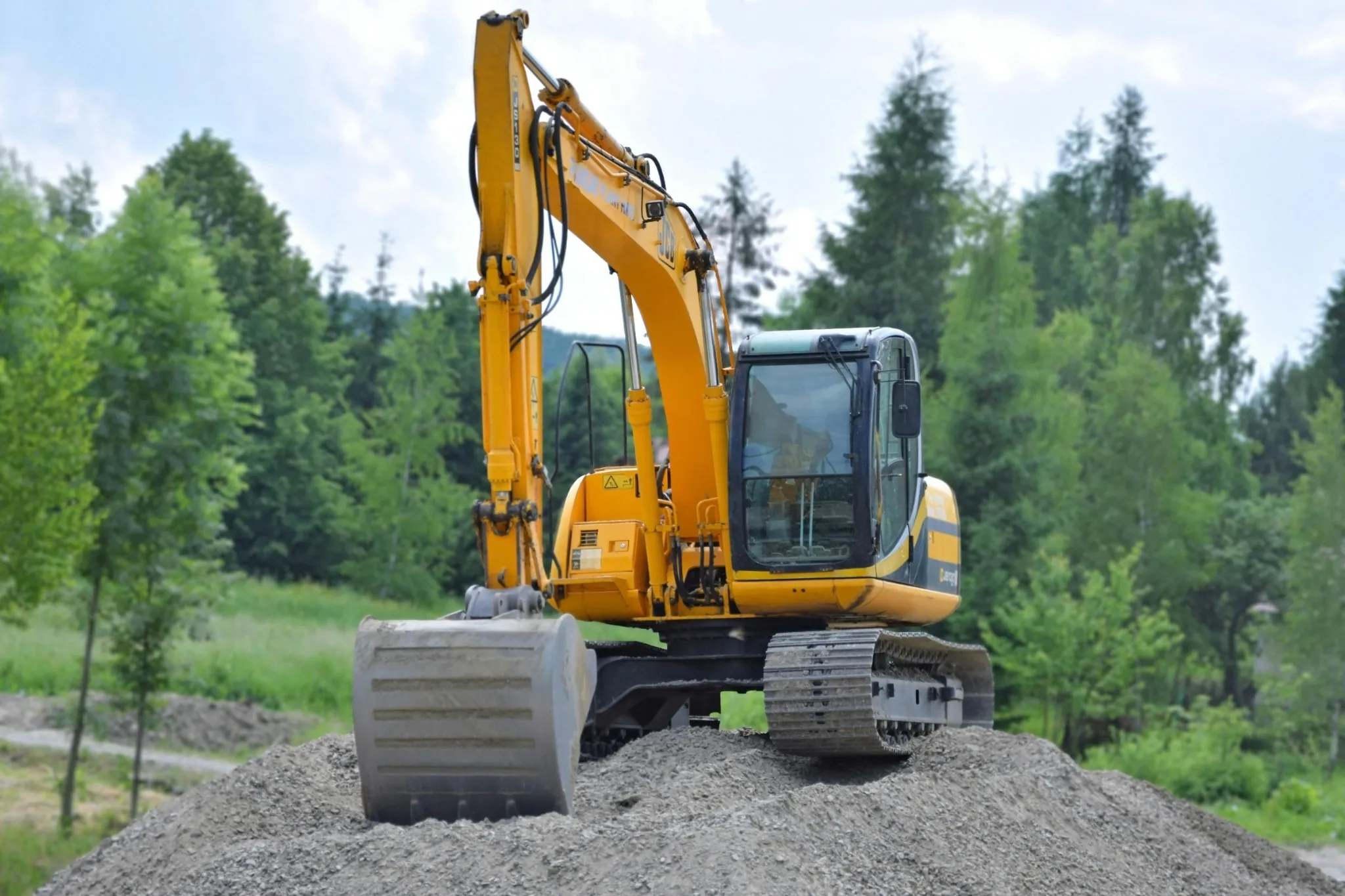
TL;DR: Construction projects can introduce a range of contaminants into local water supplies. From sediment runoff to chemical leaching and broken infrastructure, the risks are especially high in areas with older systems or private wells. Understanding how construction affects water quality can help NH homeowners recognize potential issues and protect their water with proactive testing and filtration.
As we enter the summer season for roadwork, developments, and infrastructure repairs, construction will be a common sight across New Hampshire. But how does construction affect water quality, especially in neighborhoods with aging water systems or private wells? In some cases, the impact is significant.
Construction sites often disrupt soil, introduce chemicals, and interfere with natural water pathways. This combination increases the risk of contamination in both public and private water supplies. For homeowners, the key is knowing what to watch for and how to respond.
Roadwork and Water Contamination: What You Should Know
Routine roadwork may affect the safety of the water coming from your tap. Here’s why:
- Excavation near pipes can damage old infrastructure, leading to leaks or breaks that allow contaminants into the system.
- Stormwater runoff from road construction can carry oils, heavy metals, and sediment into nearby surface water or aquifers.
- Dust and debris stirred up by construction may settle into water collection points, especially in poorly maintained systems.
If you’re near a major road project, keep an eye on changes in your water’s taste, color, or smell. These may be early signs that roadwork and water contamination are connected.
How Construction Affects Well Water
Private wells are especially vulnerable during construction. Without the protection of a municipal treatment system, how construction affects well water is often direct and personal.
During construction, soil disturbances and changes in groundwater flow can introduce:
- Sediment, leading to cloudy or gritty water
- Bacteria from surface water runoff or septic disruptions
- Chemicals used in construction, such as solvents, sealants, or fuel residues
In some areas, blasting or pile-driving can shift underground rock layers, allowing new contaminant pathways into your well. Even if the construction isn’t on your property, vibrations and environmental changes can still affect nearby wells.
Common Water Quality Issues from Construction
The most common water quality issues that arise from nearby construction include:
- Brown or discolored tap water often caused by rust or sediment dislodged from old pipes during nearby excavation.
- Sulfur smell (like rotten eggs) a sign of disturbed bacteria in well systems or broken pipes that let in organic matter.
- Cloudy or gritty water may indicate sediment from soil disruption or broken well seals.
- Chemical or metallic taste a potential sign of chemical runoff or pipe corrosion.
Not every change in your water is dangerous, but sudden shifts after local construction should be taken seriously.
What NH Homeowners Can Do
If construction is happening near your home, or your water has recently changed in appearance, taste, or odor, take these steps:
- Test your water. This is the first and most important step. A full panel test will show whether your water has been compromised.
- Inspect your well. If you use a private well, have a licensed professional check for cracks, leaks, or pressure changes.
- Report municipal water changes. If you’re on public water, contact your town’s water department and document your concerns.
- Install a filtration system. A whole-home filtration system can remove sediment, heavy metals, and bacteria stirred up by construction.
The Bigger Picture: Water Pollution from Construction in NH
The New Hampshire Department of Environmental Sciences (NHDES) provides a wealth of resources for home and business owners trying to properly manage stormwater runoff. Improper site runoff can carry contaminants directly into streams, rivers, and aquifers that feed New Hampshire’s drinking water supplies.
That’s why the federal EPA (Environmental Protection Agency) requires erosion and sediment control plans for many construction projects. Still, oversight varies, and private properties, especially those with wells, are often left to protect themselves.
Why Water Testing Matters After Construction
Construction-related water issues often go unnoticed until someone gets sick or appliances start breaking down. Regular testing, especially when living near construction projects, gives you the peace of mind that your water is safe.
At NH Tap, we provide:
- Free well and public water tests
- Detailed contaminant reports
- Custom whole-home filtration recommendations
Final Thoughts on Construction and Water Safety
So, how does construction affect water quality? From sediment and bacteria to chemicals and pipe disruption, the risks are real and they’re especially high in New Hampshire, where aging infrastructure and private wells are common.
Stay alert to water changes during roadwork or construction projects near your home. And if you notice anything off, don’t wait. Contact NH Tap to schedule a water test and get expert guidance on how to protect your household from contamination.
Return to Articles