Is Your Tap Water Safe for Pets? How to Protect Dogs & Cats from Contaminants
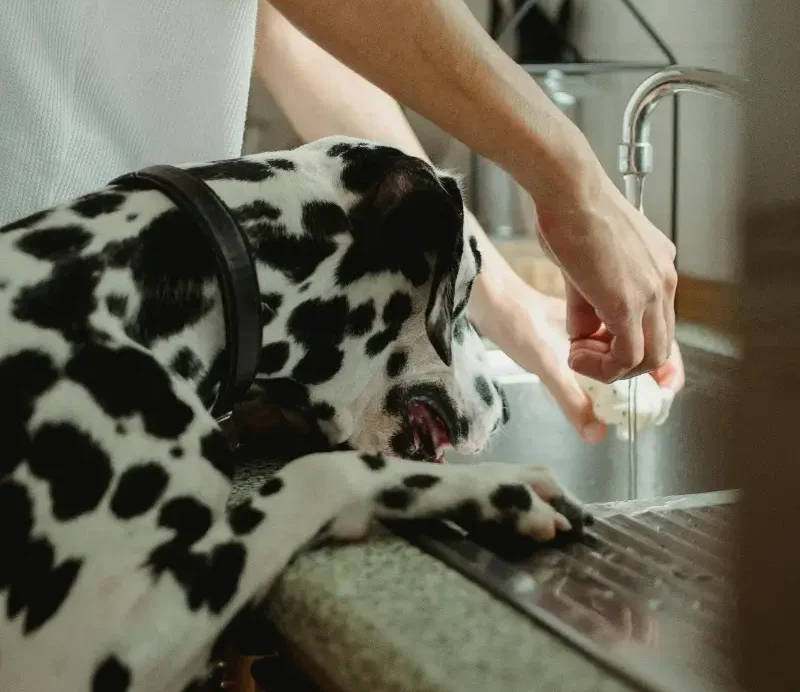
TL;DR: Tap water may seem safe, but it can contain harmful contaminants that affect your pets’ health over time. From chlorine and lead to PFAS and bacteria, certain substances in public and well water could put your dog or cat at risk. Learn what to look for, why it matters, and how the best water filter for pets can give your furry family members the cleanest water possible.
You fill the bowl, and your pet laps it up without hesitation. But have you ever stopped to wonder: Is tap water safe for pets? While municipal water supplies are generally treated to be safe for human consumption, that doesn’t automatically make them safe for dogs, cats, and other household animals.
Common Water Contaminants Harmful to Pets
The same contaminants that raise concern for human health can also impact pets—sometimes even more severely. Here are some of the most common water contaminants harmful to pets:
1. Chlorine and Chloramine
Chlorine is often added to public water systems to disinfect and kill bacteria. Chloramine (a mix of chlorine and ammonia) is used in many cities as a longer-lasting disinfectant. While these chemicals help prevent bacterial outbreaks, there’s also a thing as too much chlorine, which can irritate your pet’s digestive system, skin, and eyes—especially in cats and dogs with sensitivities.
2. Lead
Lead exposure is a major concern for pets, particularly in older homes with aging pipes. If heavy metals leach into tap water, over time, they can affect your pet’s kidneys, nervous system, and gastrointestinal function. Puppies, kittens, and small breeds are especially at risk due to their size and developing organs.
3. Fluoride
Fluoride is added to many public water systems to promote dental health in humans, but high levels may pose risks to pets. Some studies suggest that chronic fluoride exposure may contribute to joint problems and tooth enamel changes in dogs.
4. PFAS (Forever Chemicals)
PFAS are man-made chemicals found in a range of products—from nonstick pans to waterproof fabrics. Unfortunately, PFAS have been detected in New Hampshire water supplies. These chemicals don’t break down in the environment and can accumulate in your pet’s body, potentially causing liver damage, immune system changes, and developmental issues.
5. Nitrates and Bacteria
If you rely on well water, your pets may be exposed to nitrates from fertilizers or bacteria from runoff. High nitrate levels can lead to oxygen deprivation in animals, especially smaller pets. Bacterial contamination can cause diarrhea, vomiting, and other digestive problems.
Signs Your Pet Might Be Reacting to Water Contaminants
Since pets can’t tell us how they’re feeling, it’s important to watch for subtle signs that may indicate a reaction to unsafe water:
- Vomiting or diarrhea
- Lethargy or decreased appetite
- Skin irritation or itching
- Cloudy eyes
- Behavioral changes
- Increased thirst or urination
These symptoms can have many causes, but if they persist and your pet’s diet hasn’t changed, it may be time to look at your water supply.
Should You Give Pets Bottled or Filtered Water?
Many pet owners turn to bottled water as a quick fix—but it’s not always the safest or most sustainable solution. Bottled water can still contain microplastics or chemicals like PFAS, and it’s expensive over time. Plus, it creates plastic waste that harms the environment your pets enjoy exploring.
Filtered tap water, on the other hand, gives you more control over the quality of your water. The best water filter for pets is one that removes the most common contaminants while preserving beneficial minerals.
For families in New Hampshire—especially those dealing with well water or public water systems affected by PFAS or aging infrastructure—a whole-home filtration system is often the best solution.
What to Look for in the Best Water Filter for Pets
When choosing a filtration system, consider these key features:
- Removes chlorine, chloramine, and fluoride
These disinfectants and additives can affect your pet’s health over time. Look for systems that use activated carbon or catalytic carbon. - Filters heavy metals like lead and arsenic
These are especially important if you live in an older home or use well water. - Targets PFAS and VOCs
These toxic chemicals are persistent in NH water supplies and require advanced carbon filtration or reverse osmosis. - Provides whole-home filtration
This ensures that pets aren’t exposed during baths or when drinking from alternative sources like toilets or sinks.
NH Tap’s Absolute™ Well Water Filtration System and Mainframe™ Whole-Home System are both designed to remove over 99% of harmful contaminants commonly found in New Hampshire water. These systems are customized based on your actual water chemistry after a professional test—so your pet (and your family) gets the safest water possible.
How to Keep Your Pets’ Water Safe
In addition to installing a filtration system, here are a few everyday tips to protect your pets from water-related health issues:
- Clean their bowls regularly to prevent bacterial buildup.
- Avoid using outdoor hoses or unknown water sources when filling their bowls.
- Check your home’s pipes—older plumbing may contribute to lead or copper exposure.
- Schedule regular water testing, especially if you’re on a private well.
Don’t let pets drink from puddles or streams, which may contain bacteria or chemical runoff.
Your Pets Deserve Safe, Clean Water
Our pets are part of the family, and just like us, they need clean, safe water to thrive. With a little investigation and the right filtration, you can make sure your dog or cat is protected from harmful water contaminants.
At NH Tap, we offer free public water testing and expert guidance on choosing the best water filter for pets and families alike. Contact us today to get started with a test or to explore customized filtration systems made for New Hampshire homes.
Return to Articles