Is it Better to Buy Bottled Water or a Water Filter?
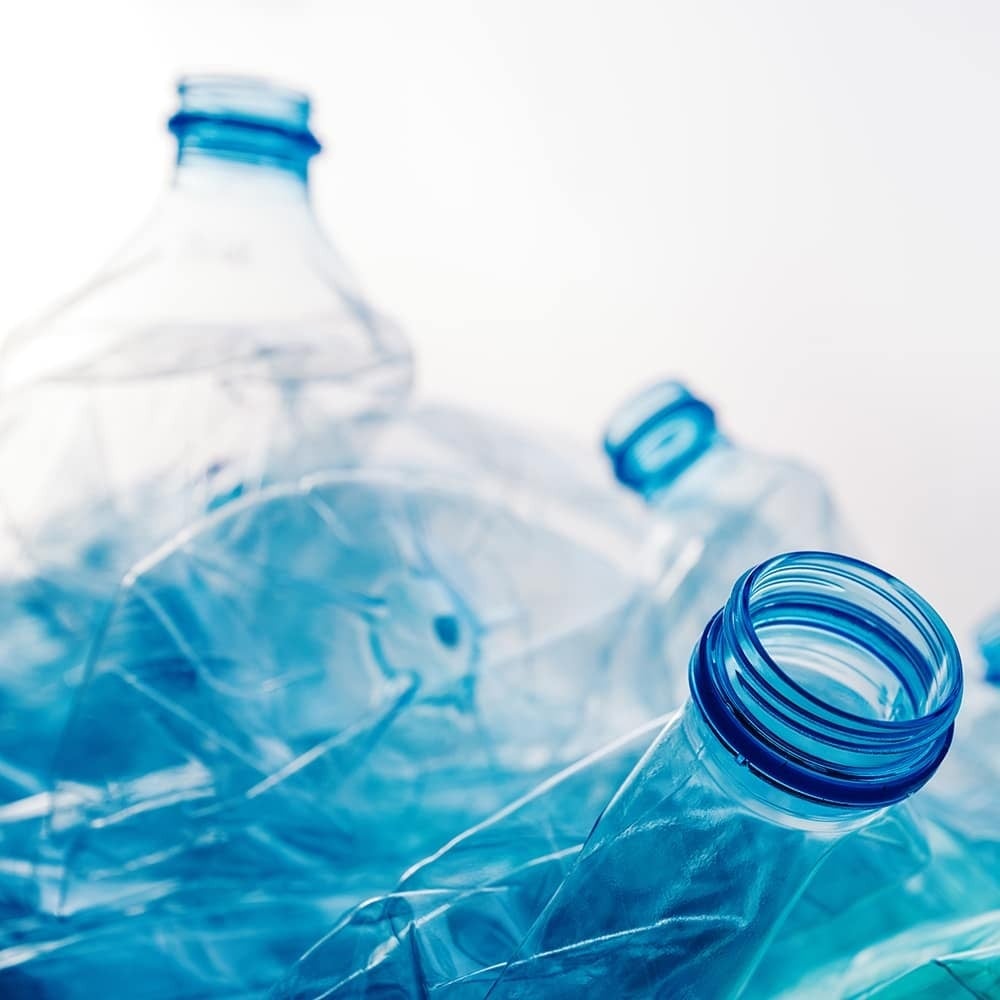
TL;DR: Bottled water may seem convenient, but long-term costs, storage, environmental impact, and inconsistent water quality often make home filtration systems the better long-term investment. In New Hampshire, many homeowners choose filtration systems because they provide consistent access to treated water directly from the tap while addressing specific local water quality concerns.
Many homeowners dealing with unpleasant tap water eventually ask the same question: is it better to keep buying bottled water or install a water filtration system?
The answer depends on your water quality concerns, household usage, and long-term goals. While bottled water may seem like the easier solution initially, many homeowners eventually discover that filtration systems provide more consistent water quality, lower long-term costs, and broader protection throughout the home.
In New Hampshire, where private wells and groundwater conditions vary significantly, filtration systems are often designed to address the specific contaminants affecting the property rather than relying on packaged drinking water alone.
Understanding the differences between bottled water and home filtration helps homeowners make better long-term decisions about drinking water quality and household water treatment.
Why Many Homeowners Turn to Bottled Water First
For many families, bottled water starts as a temporary solution after noticing:
• Bad tasting water
• Water odor issues
• Sediment or discoloration
• Concerns about contaminants
• Hard water or staining problems
Bottled water may feel convenient because:
• It requires no installation
• It is immediately available
• It avoids concerns about tap water quality
However, what starts as a temporary fix often becomes an expensive long-term habit.
Many homeowners researching these concerns eventually discover broader well water contamination issues in New Hampshire.
The Long-Term Cost Difference
One of the biggest differences between bottled water and filtration systems is long-term cost.
Bottled Water Costs Add Up Quickly
Households regularly purchasing bottled water often pay for:
• Cases of bottled water
• Delivery services
• Storage space
• Repeated weekly purchases
Over time, these recurring costs can exceed the price of installing a home filtration system.
Larger households typically experience even higher ongoing bottled water expenses because water usage increases significantly over time.
Water Filtration Systems Are an Upfront Investment
Filtration systems generally involve:
• Initial installation costs
• Periodic maintenance
• Filter replacement
• Occasional servicing
While the upfront investment may seem larger initially, many homeowners find long-term filtration costs more predictable than constantly buying bottled water.
Many New Hampshire homeowners compare options by exploring professionally designed water filtration systems.
Bottled Water Does Not Improve Whole-Home Water Quality
One major limitation of bottled water is that it only addresses drinking water.
It does not improve:
• Shower water
• Laundry water
• Appliance protection
• Plumbing system conditions
• Bathing water quality
Homes with hard water, sediment, staining, or odor issues throughout the house often require broader treatment solutions.
Many homeowners install whole house water filtration systems because they want to improve water quality across the entire home rather than only at the kitchen sink.
Water Filters Can Target Specific Water Problems
One advantage of filtration systems is that they can be customized for the actual water chemistry affecting the home.
Depending on the issue, systems may target:
• PFAS and PFOA
• Arsenic
• Iron and manganese
• Sediment
• Bacteria
• Chlorine
• Bad taste and odor
• Hard water minerals
This is especially important in New Hampshire, where groundwater conditions vary significantly by location.
Many homeowners choose reverse osmosis systems when highly purified drinking water is the main concern.
Is Bottled Water Actually Safer?
Many homeowners assume bottled water is automatically safer than filtered tap water. That is not always true.
Water quality depends heavily on:
• The source water
• Filtration methods used
• Storage conditions
• Packaging materials
• How long the water sits before use
In many cases, professionally filtered water may provide more consistent quality because treatment is based on the specific contaminants affecting the home.
This is one reason regular well water testing in New Hampshire is important before choosing treatment solutions.
Environmental Considerations
Another factor many homeowners consider is waste.
Frequent bottled water use creates:
• Plastic waste
• Increased transportation demand
• Ongoing packaging disposal
Filtration systems reduce dependence on disposable plastic bottles by providing treated water directly from the tap.
For many households, reducing bottled water usage becomes both a financial and environmental decision.
When Bottled Water May Still Make Sense
There are situations where bottled water may still be useful temporarily.
Examples include:
• Emergency contamination situations
• Temporary water outages
• Waiting for filtration installation
• Traveling or temporary housing
However, relying on bottled water permanently often becomes less practical over time for households using large amounts of drinking water daily.
When a Water Filter Makes More Sense
Home filtration systems often make more sense when:
• The household uses large amounts of bottled water
• Water problems affect the entire home
• Specific contaminants are present
• Long-term cost savings matter
• Appliance protection is important
• Consistent water access is needed
Many homes dealing with overlapping issues such as sediment, odor, staining, and contamination benefit from professionally designed treatment systems rather than relying entirely on packaged drinking water.
Homeowners comparing broader treatment strategies may also benefit from learning about the most effective water filtration methods.
Why Water Testing Should Come First
Before deciding between bottled water and filtration, homeowners should understand what is actually affecting their water quality.
Testing helps identify:
• Contaminants present
• Hardness levels
• Bacteria risks
• Sediment concerns
• Taste and odor causes
• Treatment priorities
Without testing, homeowners may spend years buying bottled water without solving the underlying issue affecting the home’s water supply.
Many homeowners begin with free water testing in New Hampshire before comparing long-term filtration options.
Final Thoughts: Filtration Often Provides More Long-Term Value
Is it better to buy bottled water or a water filter? For many New Hampshire homeowners, filtration systems provide better long-term value, more consistent water quality, and broader household protection than relying on bottled water alone.
While bottled water may offer short-term convenience, it does not address plumbing, appliance protection, bathing water quality, or the root causes of household water problems.
NH Tap helps homeowners evaluate water quality concerns, compare filtration options, and design water treatment systems based on actual water chemistry and long-term household needs.
Return to Articles