Coliform vs. E. Coli in Well Water: What You Should Know
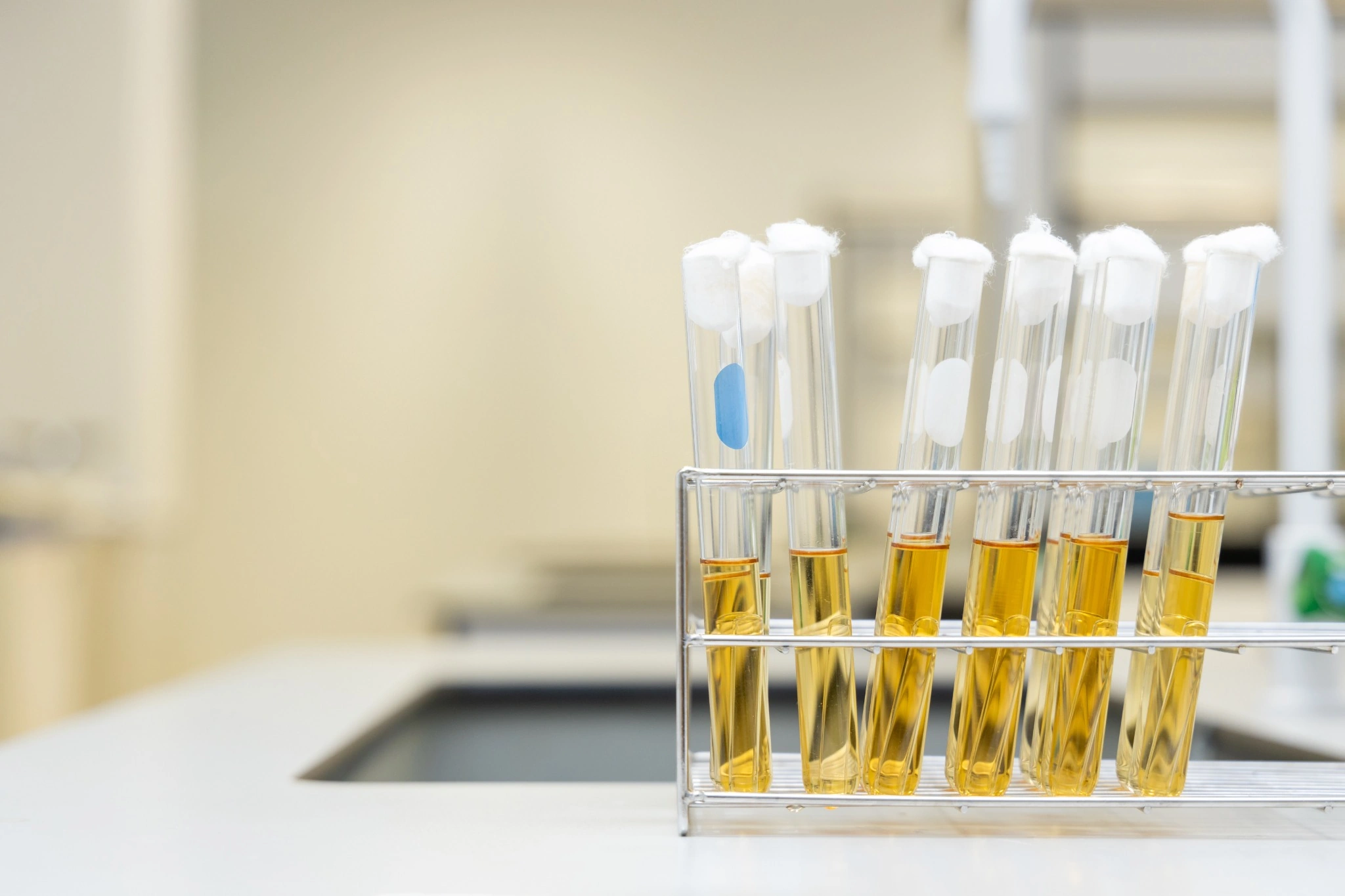
TL;DR: Coliform bacteria and E. coli are both indicators used in water testing to detect possible contamination in private wells. While coliform bacteria suggest that contamination may be entering the water system, E. coli specifically indicates fecal contamination and requires immediate attention. Understanding the difference helps homeowners respond appropriately to positive test results.
For homeowners who rely on private wells, bacteria testing is an essential part of maintaining safe drinking water. One of the most common questions that arises after a test is the difference between coliform bacteria and E. coli.
Understanding coliform vs E. coli in well water helps homeowners interpret testing results and determine whether further action may be necessary.
While both bacteria are indicators used in water testing, they signal different levels of contamination risk.
What Are Coliform Bacteria?
Coliform bacteria are a group of microorganisms commonly found in soil, plant material, and surface water. They are not always harmful on their own, but they serve as an indicator that contamination could be entering a water supply.
When coliform bacteria are detected in well water, it suggests that the well system may be vulnerable to contamination from outside sources.
These sources may include:
- Surface water entering the well
- Improperly sealed well caps
- Cracks in the well casing
- Nearby septic system issues
- Heavy rainfall or flooding
Routine water bacteria testing in New Hampshire is designed to detect these indicators before contamination becomes a larger problem.
The presence of coliform bacteria does not always mean the water is unsafe, but it does signal that the system should be inspected.
What Is E. Coli in Well Water?
E. coli is a specific type of coliform bacteria that originates from the digestive systems of humans and animals.
Unlike general coliform bacteria, E. coli is a direct indicator of fecal contamination.
If E. coli is detected in well water, it suggests that harmful pathogens may be entering the water supply.
Potential sources of E. coli contamination include:
- Septic system leaks
- Agricultural runoff
- Floodwater entering the well
- Animal waste near the wellhead
Because E. coli indicates fecal contamination, positive results usually require immediate follow-up testing and investigation.
Understanding broader New Hampshire well water contaminations can help homeowners recognize why bacteria testing is important in many areas of the state.
How Coliform and E. Coli Testing Works
Bacteria testing for well water typically involves collecting a sterile water sample and sending it to a certified laboratory.
The laboratory analyzes the sample to determine whether coliform bacteria or E. coli are present.
Testing results usually fall into one of three categories:
- No bacteria detected
- Total coliform bacteria detected
- E. coli detected
Each result indicates a different level of concern.
Coliform bacteria may signal a structural issue with the well system, while E. coli suggests direct contamination that requires immediate attention.
Why Bacteria Contamination Can Occur in New Hampshire Wells
Several environmental factors can increase the likelihood of bacterial contamination in private wells.
In New Hampshire, seasonal weather patterns, groundwater movement, and land use can influence well water quality.
Situations that may increase bacteria risks include:
- Heavy rainfall or snowmelt
- Nearby septic systems
- Shallow wells
- Surface water intrusion
Many regional groundwater conditions described in New Hampshire water issues explain why routine testing is recommended for private well owners.
Because private wells are not regulated like municipal systems, testing is the homeowner’s responsibility.
What To Do If Your Well Tests Positive for Bacteria
Receiving a positive bacteria test result does not necessarily mean the well must be replaced, but it does require investigation.
Possible next steps may include:
- Inspecting the well cap and casing
- Checking nearby septic systems
- Disinfecting the well system
- Conducting follow-up testing
In some cases, treatment systems may be recommended to address recurring contamination.
Properly designed water filtration systems can help protect water quality depending on the source of contamination.
Testing results should guide these decisions rather than guesswork.
Why Regular Well Water Testing Matters
Bacteria contamination can develop suddenly and may not produce noticeable changes in taste, odor, or appearance.
Because of this, routine testing is the only reliable way to confirm whether bacteria are present in well water.
Many homeowners begin with free water testing in New Hampshire as a first step toward understanding their water quality.
Regular testing helps ensure that potential contamination is identified before it becomes a larger problem.
Final Thoughts: Understanding Bacteria Indicators Protects Your Water
Coliform bacteria and E. coli both play important roles in water testing, but they indicate different types of contamination.
Coliform bacteria suggest that a well system may be vulnerable to contamination, while E. coli confirms that fecal contamination has occurred.
Understanding these differences allows homeowners to respond appropriately when testing results appear.
NH Tap helps homeowners evaluate well water conditions, interpret bacteria test results, and determine the best steps for maintaining safe drinking water.
Return to Articles