Common Signs of Contaminated Well Water in New Hampshire
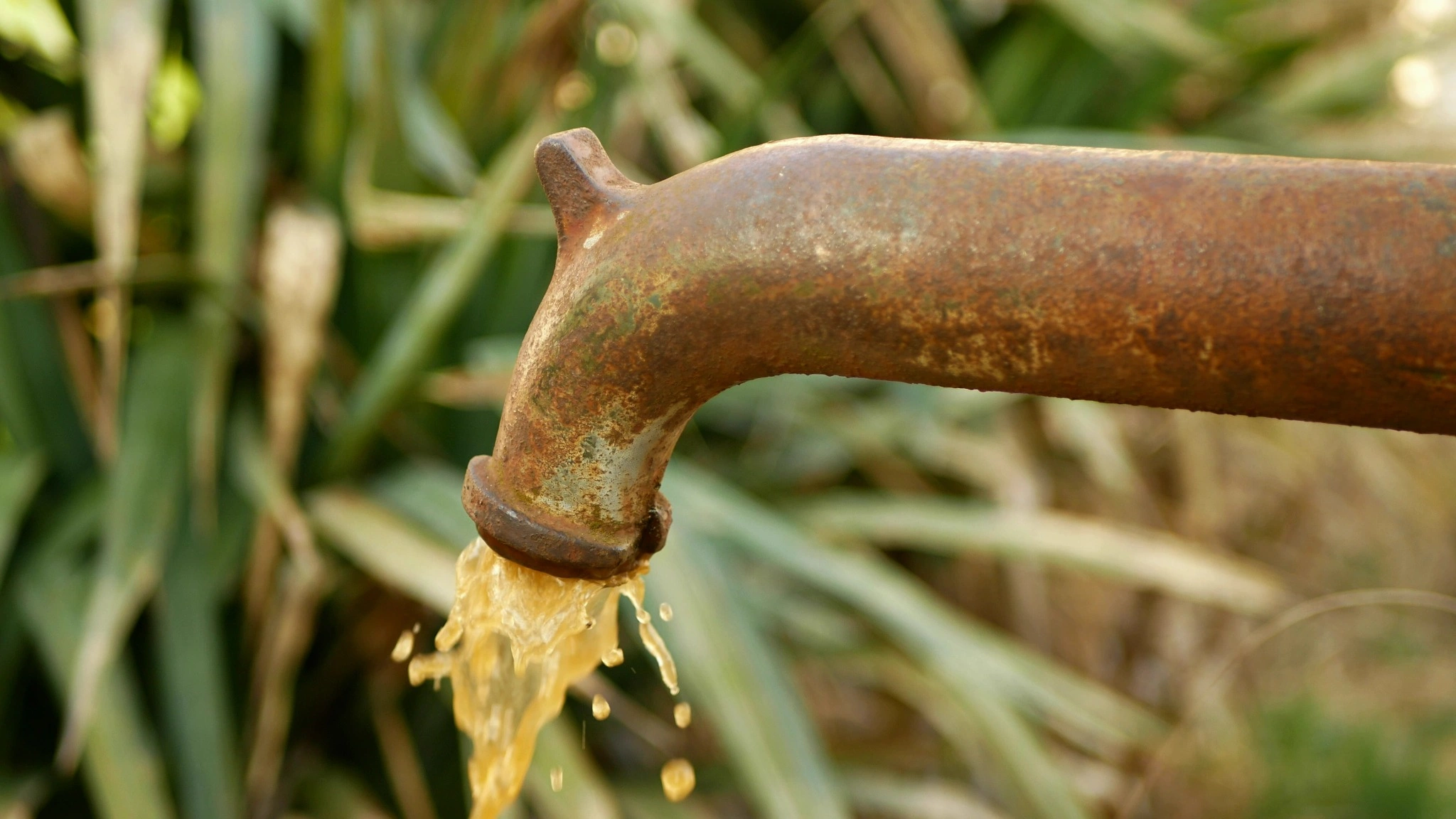
TL;DR: Contaminated well water in New Hampshire does not always produce obvious warning signs, but certain symptoms such as unusual taste, odors, discoloration, staining, or plumbing problems can indicate potential contamination. Recognizing these signs early can help homeowners identify water quality issues and determine when testing is necessary.
Private well owners often assume their water is safe if it looks clear and tastes normal. However, contaminated well water can sometimes develop noticeable symptoms that signal a deeper problem.
Understanding the most common contaminated well water signs in New Hampshire helps homeowners recognize when something may be wrong with their water supply. These warning signs may appear gradually or suddenly depending on environmental conditions, groundwater chemistry, or changes in the well system.
While symptoms alone cannot confirm contamination, they often provide the first indication that water testing may be necessary.
Unusual Taste in Drinking Water
Changes in water taste are one of the most common signs homeowners notice when contamination occurs.
Well water may develop a metallic, bitter, or chemical taste depending on the minerals or contaminants present. In New Hampshire, naturally occurring minerals such as iron, manganese, and arsenic can sometimes affect the taste of drinking water.
Other contaminants may produce a chemical or unpleasant flavor that signals groundwater changes.
If you notice persistent taste changes, resources explaining bad tasting water in New Hampshire can help identify potential causes and determine whether testing is necessary.
Taste changes should never be ignored, especially if they appear suddenly.
Strong or Unusual Odors
Another common symptom of water contamination is unusual odor coming from taps, sinks, or showers.
Water may develop a sulfur-like smell, sometimes described as “rotten eggs,” or other unpleasant odors caused by bacterial activity or chemical reactions in groundwater.
In some cases, odors may originate from naturally occurring minerals reacting with plumbing systems.
Homeowners experiencing strong odors may want to investigate issues related to eliminating water odors in New Hampshire to better understand potential contamination sources.
Persistent odors often indicate the need for further water testing.
Cloudy or Discolored Water
Clear water does not always mean clean water, but visible discoloration can be a strong signal that something has changed.
Well water may appear:
- Cloudy or milky
- Yellow or brown
- Orange or reddish
- Black or gray
These changes often occur when minerals such as iron or manganese enter the water supply. In other cases, sediment or corrosion within the plumbing system may cause discoloration.
Information about water clarity problems in New Hampshire can help homeowners identify common causes of cloudy or discolored water.
Any sudden change in water clarity should be investigated through testing.
Staining on Fixtures, Appliances, or Laundry
Water contamination sometimes becomes visible through staining rather than the water itself.
Minerals such as iron and manganese can leave orange, brown, or black stains on sinks, tubs, toilets, and laundry.
Over time, these minerals may also accumulate inside plumbing systems and appliances.
Staining issues are frequently associated with regional groundwater chemistry and are discussed in detail in resources about staining from water in New Hampshire.
While staining does not always indicate harmful contamination, it can signal mineral levels that require treatment.
Sudden Changes in Water Pressure or Plumbing Performance
Water contamination can also affect plumbing systems.
Mineral buildup inside pipes, fixtures, and appliances may reduce water pressure or cause premature wear on plumbing components.
Hard water minerals can accumulate inside pipes and reduce system efficiency over time.
If homeowners experience ongoing scale buildup or reduced plumbing performance, issues related to removing hard water in New Hampshire may be contributing factors.
These conditions often develop gradually but can eventually affect both water quality and plumbing performance.
When Symptoms Appear Without Visible Changes
Some of the most concerning contaminants found in New Hampshire well water produce no visible symptoms at all.
For example:
- Arsenic
- PFAS compounds
- Nitrates
- Uranium
These contaminants cannot be detected through taste, odor, or appearance.
Regional groundwater conditions highlighted in New Hampshire well water contaminations explain why regular testing is essential even when water appears normal.
Testing is the only reliable way to confirm whether these contaminants are present.
Why Water Testing Is the Only Way to Confirm Contamination
While symptoms can suggest that something may be wrong, they cannot confirm the presence or absence of contamination.
Laboratory testing provides the information needed to determine what contaminants are present and whether treatment is necessary.
Many homeowners begin with free water testing in New Hampshire to identify basic water quality indicators before deciding whether more advanced testing is required.
Testing helps homeowners move beyond symptoms and understand the actual condition of their water.
Final Thoughts: Recognizing Early Warning Signs Matters
Contaminated well water often reveals itself through subtle changes in taste, odor, appearance, or plumbing performance.
While these signs do not always indicate harmful contamination, they can provide early warning signals that something in the water supply has changed.
Recognizing these symptoms early allows homeowners to investigate potential issues before they worsen.
NH Tap helps homeowners evaluate water quality concerns, interpret testing results, and determine whether water treatment may be necessary to restore safe and reliable drinking water.
Return to Articles