Does Boiling Water Remove All Contaminants? Common Water Safety Myths
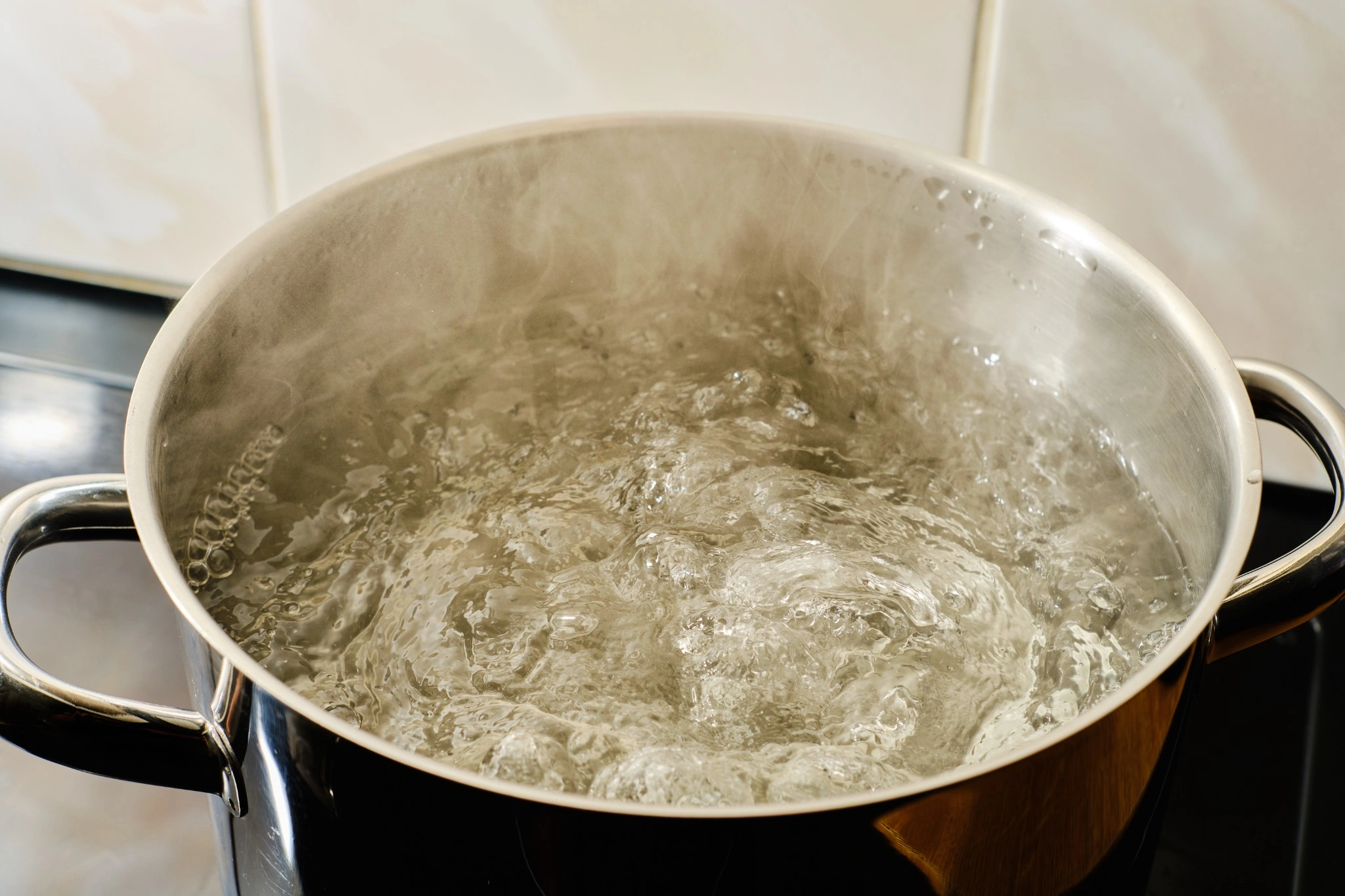
TL;DR: Boiling water can kill certain bacteria and microorganisms, but it does not remove many common contaminants found in well water. Minerals, heavy metals, PFAS, arsenic, and chemical pollutants remain in the water even after boiling. Understanding what boiling can and cannot remove helps homeowners avoid dangerous water safety myths.
Many homeowners assume that boiling water will make it completely safe to drink. While boiling is an effective method for killing certain microorganisms, it does not remove many of the contaminants commonly found in groundwater.
Understanding whether boiling water removes contaminants is important for homeowners who rely on private wells or want to respond correctly to potential water quality concerns.
Boiling water can help in some situations, but it is not a universal solution for water contamination.
What Boiling Water Actually Does
Boiling water primarily works by killing microorganisms that may be present in the water. When water reaches high temperatures, certain bacteria, viruses, and parasites cannot survive.
This is why boiling water advisories are sometimes issued when bacterial contamination is suspected.
Boiling water may help eliminate:
- Bacteria such as E. coli
- Some viruses
- Parasites that may enter water supplies
Situations involving bacteria contamination are often identified through water bacteria testing in New Hampshire, which helps confirm whether microbial contamination is present.
However, boiling addresses only biological contaminants.
What Boiling Water Does Not Remove
One of the most common misconceptions about water safety is that boiling eliminates all possible contaminants.
In reality, boiling water does not remove many chemical or mineral contaminants.
These include:
- Arsenic
- PFAS chemicals
- Lead
- Nitrates and nitrites
- Uranium
- Iron and manganese
Because boiling causes water to evaporate while leaving minerals behind, it can sometimes increase the concentration of certain contaminants rather than remove them.
Many of these contaminants are discussed in detail through resources covering New Hampshire water issues that affect private wells throughout the state.
Why Arsenic and Chemical Contaminants Remain After Boiling
Contaminants such as arsenic are naturally occurring minerals that dissolve into groundwater as water moves through rock formations.
Boiling water does not change the chemical structure of these contaminants.
For example, regional data shown in the New Hampshire arsenic map demonstrates how widespread arsenic contamination can be in private wells.
If arsenic is present in water, boiling will not remove it. In fact, boiling may slightly increase arsenic concentration as water evaporates.
Testing is required to confirm whether these contaminants exist in a water supply.
When Boiling Water Is Actually Recommended
Boiling water can still be useful in certain situations, particularly when bacterial contamination is suspected.
Examples include:
- Temporary boil water advisories
- Flooding events that may affect groundwater
- Positive bacteria test results
- Emergency situations where water safety is uncertain
In these situations, boiling water can provide temporary protection against microorganisms while the underlying issue is investigated.
Understanding broader New Hampshire well water contaminations helps explain why boiling is only a short-term response in many cases.
Long-term solutions require identifying the source of contamination.
Why Testing Matters More Than Assumptions
Because many contaminants cannot be detected through taste, smell, or appearance, testing is the only reliable way to determine whether water is safe.
Water may appear clear while still containing chemical contaminants, heavy metals, or naturally occurring minerals.
Many homeowners begin with free water testing in New Hampshire to understand basic water quality conditions before deciding whether further testing is necessary.
Testing results provide the information needed to determine whether treatment is required.
How Water Filtration Addresses Contaminants Boiling Cannot Remove
When contaminants such as arsenic, minerals, or chemical pollutants are detected, treatment systems may be needed to remove them.
Unlike boiling, properly designed filtration systems physically remove contaminants from the water.
Depending on the issue, treatment may involve:
- Specialized filtration for arsenic or uranium
- Mineral removal systems
- Activated carbon filtration
- Whole-home treatment systems
Modern water filtration systems are designed to address specific contaminants identified through testing.
This targeted approach ensures that treatment solutions address the actual water quality issue rather than relying on assumptions.
Final Thoughts: Boiling Water Isn’t a Complete Solution
Boiling water is effective at killing certain bacteria and microorganisms, but it does not remove many of the contaminants commonly found in groundwater.
Minerals, chemical pollutants, and heavy metals remain in the water even after boiling.
Understanding this distinction helps homeowners avoid common water safety myths and make informed decisions about testing and treatment.
NH Tap helps homeowners understand their water quality, interpret testing results, and determine whether filtration or additional testing may be necessary to maintain safe drinking water.
Return to Articles