How Long Do Water Filtration Systems Last?
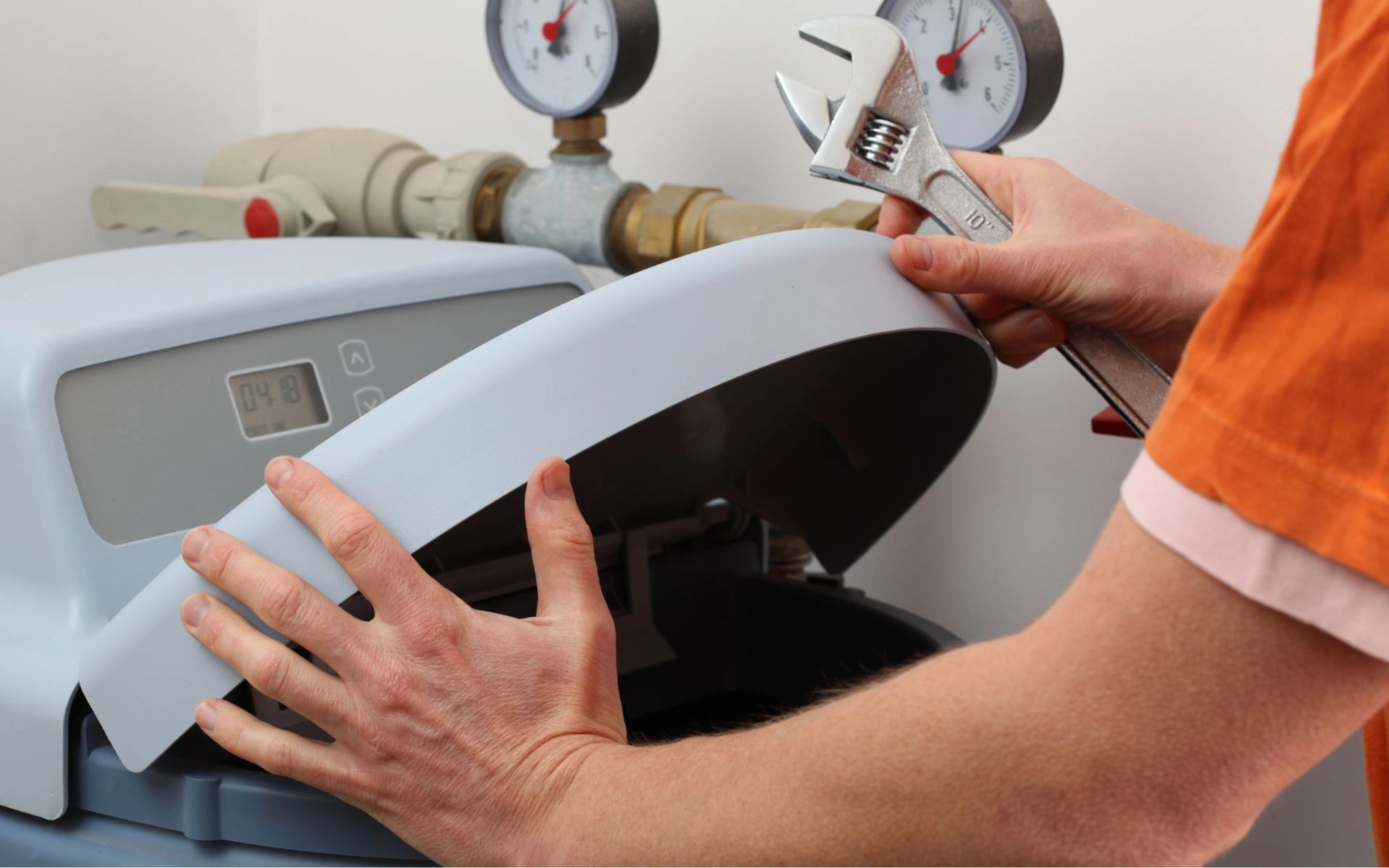
TL;DR: Most water filtration systems last anywhere from 3 to 15 years, depending on the system type, water conditions, and maintenance. In New Hampshire, factors like iron, sediment, hardness, and PFAS exposure can shorten lifespan if systems aren’t properly maintained. Regular service extends system life and helps homeowners avoid premature replacement.
If you’re asking how long do water filtration systems last, you’re thinking the right way. Most homeowners don’t think in terms of “install day” — they think in years of performance, maintenance costs, and reliability.
The reality is that no filtration system lasts forever, but many last far longer than expected when they’re properly matched to the water and maintained correctly.
Average Lifespan by System Type
Water filtration system lifespan varies significantly depending on design and use.
Reverse Osmosis (RO) Systems
Typical lifespan: 10–15 years
RO systems are commonly used for drinking water and rely on multiple filters and a semi-permeable membrane.
- Cartridges: replaced annually
- Storage tank and housing: often last a decade or more
RO systems tend to last longer when incoming water is pre-treated for sediment or iron.
Carbon Filtration Systems (Whole-House)
Typical lifespan: 3–5 years
Whole-house carbon systems are widely used to address taste, odor, chlorine, PFAS, and certain contaminants.
- Carbon media is replaced every 3–5 years
- System tanks and valves often last 15+ years
Homes with high iron or sediment may see shorter media life without proper pretreatment. This is common in New Hampshire, where iron in groundwater varies widely by region.
UV Water Treatment Systems
Typical lifespan: 8–12 years
UV systems are designed to disinfect water by neutralizing bacteria and microorganisms.
- UV bulb: replaced annually
- Quartz sleeve: cleaned or replaced periodically
- System housing: long-lasting with maintenance
UV systems are highly dependent on water clarity. Sediment or iron can reduce effectiveness and shorten component life.
Water Softeners
Typical lifespan: 10–15 years
Water softeners are durable systems, but their lifespan depends heavily on salt use and water chemistry.
- Resin media: often lasts 10–15 years
- Control valves and tanks: 15–20 years with service
Consistent salt quality and regular maintenance are key. Many New Hampshire homeowners should have the automatic control valve cleaned and inspected every two years to reduce system stress and improve reliability.
Signs Your Water Filtration System May Be Failing
Filtration systems rarely fail suddenly. Most show warning signs first.
Common indicators include:
- Decline in water taste or odor
- Reduced water pressure
- Increased staining or scale
- Changes in water clarity
- Systems cycling more frequently than normal
When these symptoms appear, it doesn’t always mean replacement is needed — often it’s a maintenance issue.
Maintenance vs Replacement: What Costs Less?
One of the biggest misconceptions is that replacement is cheaper than maintenance.
Maintenance Costs (Typical)
- Filter replacements
- Media changes
- Annual inspections
- UV bulb replacement
These costs are predictable and extend system life.
Replacement Costs
- Full system removal and reinstallation
- Plumbing modifications
- Disposal of old equipment
Replacing a system prematurely often costs several times more than maintaining it properly.
NH Tap designs water filtration systems tailored to New Hampshire conditions, which helps avoid early failure caused by mismatched equipment.
New Hampshire Factors That Affect System Lifespan
Water conditions in New Hampshire place unique stress on filtration systems.
Iron and Sediment
High iron and sediment levels increase wear on filters, valves, and media beds. Without pretreatment, systems work harder and fail sooner.
Hardness and Salt Use
Hard water accelerates scale buildup, especially in untreated plumbing. Proper softening protects both appliances and filtration systems downstream.
Corrosive Groundwater
Low pH and corrosive water can shorten the life of metal components, fittings, and plumbing connections if left untreated.
How to Extend the Life of Your Filtration System
Simple steps make a big difference:
- Follow recommended filter and media replacement schedules
- Address iron, sediment, or corrosion early
- Test water periodically to catch changes
- Avoid over-sizing or under-sizing systems
Routine water testing in New Hampshire helps homeowners understand whether conditions have changed and whether adjustments are needed.
Final Thoughts: Lifespan Depends on Planning, Not Luck
How long water filtration systems last isn’t random. It depends on water chemistry, system design, and maintenance habits.
In New Hampshire, iron, sediment, salt, and corrosive conditions can shorten system life if ignored — but they’re manageable with the right approach.
NH Tap helps homeowners understand system lifespan, maintain equipment properly, and plan upgrades only when they’re truly needed. With the right care, most filtration systems deliver reliable performance for many years beyond initial expectations.
Return to Articles