What Happens If You Ignore Water Testing Results?
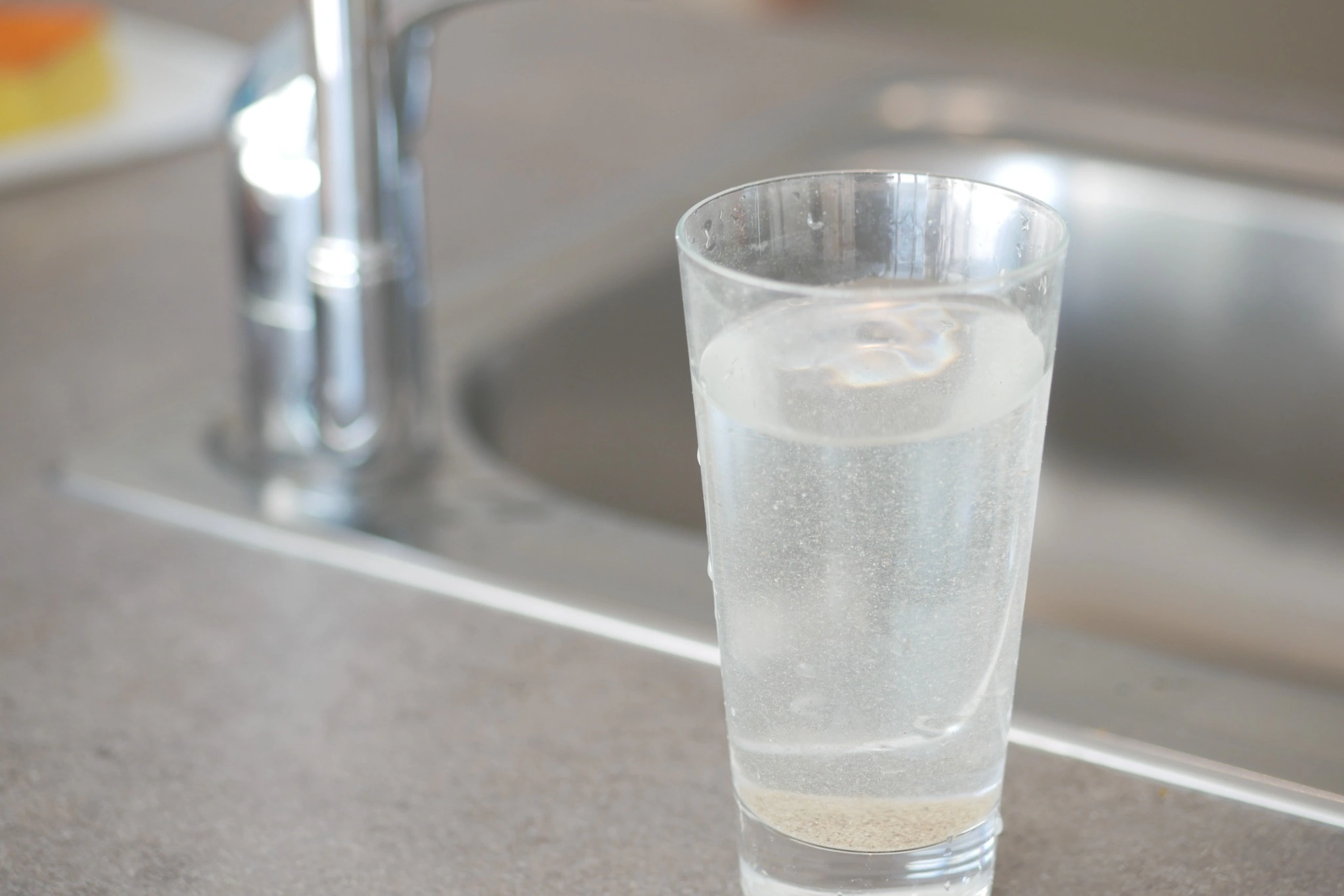
TL;DR: Ignoring concerning water testing results can lead to long-term health risks, plumbing damage, appliance failures, and higher repair costs. Even when water looks clear, contaminants such as arsenic, bacteria, nitrates, or minerals can continue affecting your home and drinking water if left untreated.
After receiving water testing results, some homeowners delay taking action, especially if the water appears clear or the issue does not seem urgent. However, choosing to ignore water testing results can create problems that grow worse over time.
Water contaminants rarely resolve themselves. In many cases, they gradually affect plumbing systems, household appliances, and drinking water safety.
Understanding what happens when testing results are ignored helps homeowners make informed decisions about protecting their water supply.
Health Risks Can Increase Over Time
Some water contaminants may not cause immediate symptoms but can create long-term health concerns if exposure continues.
Certain contaminants commonly found in New Hampshire groundwater include:
- Arsenic
- Nitrates and nitrites
- Bacteria such as E. coli
- PFAS compounds
- Uranium and other trace minerals
These contaminants cannot be detected through taste or smell alone. Regional groundwater conditions discussed in New Hampshire water issues explain why testing is necessary to identify potential risks.
When testing confirms contamination, delaying treatment may allow ongoing exposure through drinking water, cooking, and household use.
Plumbing Systems Can Suffer Long-Term Damage
Water chemistry has a direct impact on plumbing systems. Certain contaminants can slowly damage pipes, fixtures, and water heaters.
For example, corrosive groundwater may gradually break down plumbing materials and release metals into the water supply. This type of problem is commonly associated with corrosive groundwater in New Hampshire.
Over time, corrosion can lead to:
- Pipe deterioration
- Metal contamination in drinking water
- Leaks and plumbing failures
Ignoring testing results that indicate corrosive conditions can allow these problems to develop unnoticed until significant repairs are required.
Mineral Contamination Can Damage Appliances
Minerals commonly found in groundwater, such as iron, manganese, and calcium, can accumulate inside plumbing fixtures and household appliances.
While these minerals may not always pose immediate health concerns, they can significantly affect household systems.
Mineral buildup can cause:
- Reduced appliance efficiency
- Shorter lifespan for water heaters and dishwashers
- Clogged pipes and fixtures
- Persistent staining in sinks and tubs
Issues related to staining from water in New Hampshire often develop gradually as mineral concentrations increase.
Addressing these issues early can prevent long-term damage to household systems.
Water Quality Problems May Gradually Worsen
Groundwater conditions can change over time due to environmental factors such as rainfall patterns, groundwater movement, and nearby land use.
Contaminants detected during testing may increase in concentration if underlying conditions remain unchanged.
For example:
- Bacteria contamination can reappear after storms or flooding
- Nitrate levels may rise with agricultural runoff
- PFAS contamination can persist for years in groundwater
Understanding broader New Hampshire well water contaminations helps explain why early action is often recommended when testing reveals potential concerns.
Ignoring test results allows these issues to continue developing.
Hidden Contaminants May Remain Undetected
Another risk of ignoring water testing results is assuming the problem is minor when additional contaminants may also be present.
For example, a homeowner who receives elevated mineral results might focus only on taste or staining issues while overlooking contaminants that require additional testing.
Maps such as the New Hampshire arsenic map illustrate how widespread certain contaminants can be across the state.
Follow-up testing may be necessary to fully understand the condition of a water supply.
Delayed Treatment Often Increases Costs
Postponing water treatment may lead to higher costs over time.
When water quality issues are addressed early, treatment systems can often prevent damage to plumbing and appliances. Waiting until problems worsen may require more extensive repairs or equipment replacement.
In many cases, properly designed water filtration systems can address contaminants before they affect the home’s infrastructure.
Testing results provide the information needed to determine whether treatment is necessary and what type of system may be appropriate.
Final Thoughts: Testing Results Are Meant to Guide Action
Water testing provides valuable insight into what is happening inside a home’s water supply. Ignoring those results can allow small problems to develop into larger issues affecting health, plumbing systems, and long-term household costs.
Taking testing results seriously allows homeowners to respond early, evaluate treatment options, and protect the quality of their drinking water.
NH Tap helps homeowners interpret water testing results and determine whether additional testing or treatment may be necessary to maintain safe and reliable water.
Return to Articles