Spring Water Contamination: How Rain & Snowmelt Impact Your Drinking Water
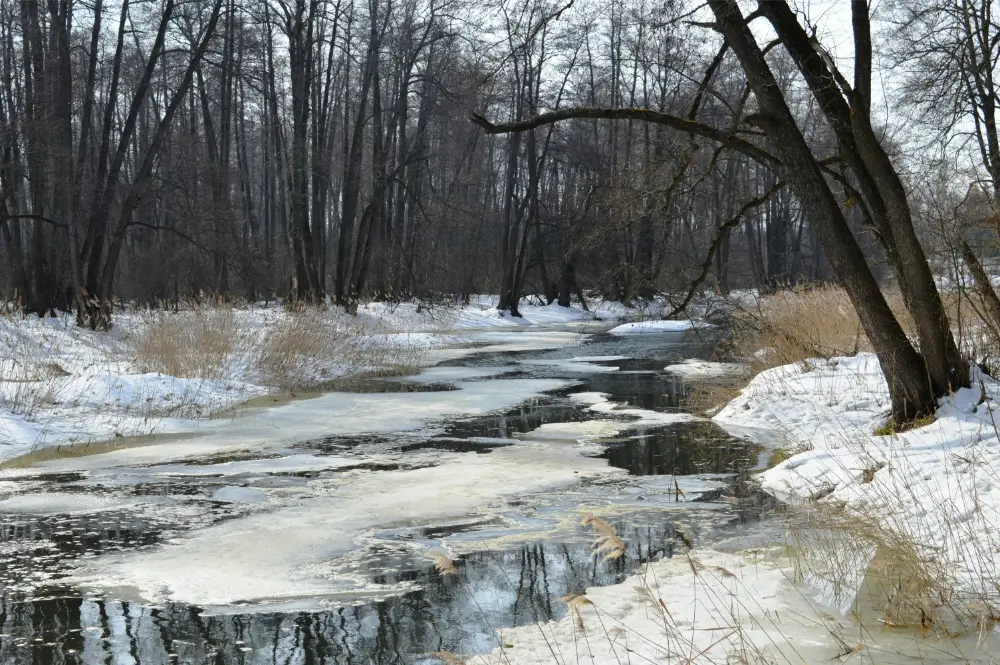
TL;DR: Spring weather in New Hampshire brings blooming flowers, but it also introduces a surge of water quality risks. Spring rain and snowmelt can introduce harmful contaminants like bacteria, pesticides, heavy metals, and road salt into New Hampshire water supplies, especially private wells. Seasonal runoff increases the risk of polluted groundwater, leading to cloudy water, unpleasant tastes, and potential health concerns. Regular testing, proper well maintenance, and whole-home filtration can help protect drinking water during the spring thaw.
Why Spring Water Contamination Happens in New Hampshire
In New Hampshire, spring is marked by snowmelt, frequent rain, and fluctuating temperatures. While these seasonal changes are great for gardens and greenery, they also pose hidden risks to your drinking water. As snow and ice begin to melt and spring rainstorms roll in, the water that seeps into the ground or runs off surfaces picks up a range of pollutants that can infiltrate groundwater and well systems.
Seasonal Water Quality Issues You Should Watch For
Spring brings a unique set of challenges for water quality. It doesn’t matter if you’re on city water or draw from a private well—both are affected. Here are some of the seasonal water quality issues to watch out for:
- Runoff from agricultural fields and lawns: Fertilizers, pesticides, and herbicides used in the fall or early spring can be swept into water supplies during snowmelt or heavy rain.
- Bacterial contamination: Melting snow and spring rain can overwhelm septic systems or carry animal waste into wells and surface water, introducing harmful bacteria like E. coli.
- Heavy metals and sediment: Seasonal shifts can stir up sediment that contains arsenic, lead, and other heavy metals naturally found in New Hampshire soil.
- Road salt and chemicals: Ice melt products used on roads and sidewalks can leach into groundwater during the thaw.
These contaminants don’t just affect water clarity or taste—they can impact your health and damage your plumbing over time.
Water Contaminants After Snowmelt: A Closer Look
As the snow begins to melt, contaminants that have accumulated all winter long are released into the environment. Snow acts like a sponge, absorbing pollutants from the air and ground. When the temperature rises, all those contaminants are carried along with the runoff.
Some common water contaminants after snowmelt include:
- Nitrates and nitrites: Often from fertilizers or septic systems, these compounds can be dangerous—especially to infants and pregnant women.
- Coliform bacteria: Found in the intestines of warm-blooded animals, this bacteria is an indicator that other harmful pathogens may be present.
- PFAS and VOCs: Persistent chemicals from industrial sites or roadways can leach into the water during periods of high runoff.
If your well is shallow, located downhill, or near agricultural or urban runoff areas, your risk is even higher during the spring.
How Spring Water Contamination Impacts Private Wells
Private wells are not regulated by the EPA, which means the responsibility of testing and treatment falls entirely on the homeowner. Unlike municipal water systems, which undergo frequent testing and treatment, private wells are vulnerable to seasonal water quality issues and are often tested too infrequently.
During spring, well water can become discolored, taste metallic or earthy, or take on a chlorine-like odor. These are signs that your water may contain contaminants introduced by spring runoff or melting snow.
Even if your water looks and tastes fine, contaminants may still be present. Some, like arsenic or radon, are tasteless and odorless. That’s why well water testing is so important this time of year.
Signs Your Water May Be Affected by Spring Contaminants
Not sure if your water has been compromised? Keep an eye out for these seasonal water quality issues:
- Cloudy or discolored water
- Metallic or chemical odors
- Bad taste
- Staining on fixtures or laundry
- Gastrointestinal illness in your household
If you notice any of these signs after heavy rain or thawing snow, schedule a water test as soon as possible.
How to Protect Your Home from Spring Water Contamination
Fortunately, you don’t have to let nature compromise your water quality. There are a few proactive steps you can take to reduce your risk of spring water contamination:
1. Test Your Water Annually
Spring is an ideal time to test your water for common seasonal contaminants. NH Tap offers comprehensive lab testing that screens for bacteria, heavy metals, PFAS, and more.
2. Invest in a Whole-Home Filtration System
A well-designed water filtration system can remove 99% of the most common water contaminants after snowmelt. NH Tap’s Absolute™ Well Water System is customized to treat your specific water chemistry, including arsenic, bacteria, PFAS, and other seasonal pollutants.
3. Inspect and Maintain Your Well
Make sure your well cap is secure and elevated to prevent surface water from entering. Check for signs of erosion, pooling water, or damage after heavy rains or thaw cycles.
4. Divert Surface Water Away from Your Well
Use landscaping strategies like berms or swales to divert runoff. Make sure gutters and downspouts direct water at least 20 feet away from the wellhead.
Why This Matters for New Hampshire Homeowners
New Hampshire’s unique geology and seasonal weather patterns make well water especially vulnerable during the spring months. With naturally occurring arsenic, rising PFAS concerns, and aging septic systems, spring runoff poses a serious risk to drinking water quality.
If you live in a town like Merrimack, Bedford, Peterborough, or anywhere near agricultural land or older infrastructure, now is the time to be proactive.
Get Ahead of Spring Water Contamination with NH Tap
At NH Tap, we specialize in water testing and custom filtration systems for New Hampshire homes. Our local team understands the seasonal water quality issues that affect our state and offers solutions built specifically for your well or municipal supply.
Don’t wait until water contamination becomes a problem. Schedule your spring water test today and take the first step toward cleaner, safer drinking water for your home.
Return to Articles