Water Testing vs Water Filtration: What Comes First?
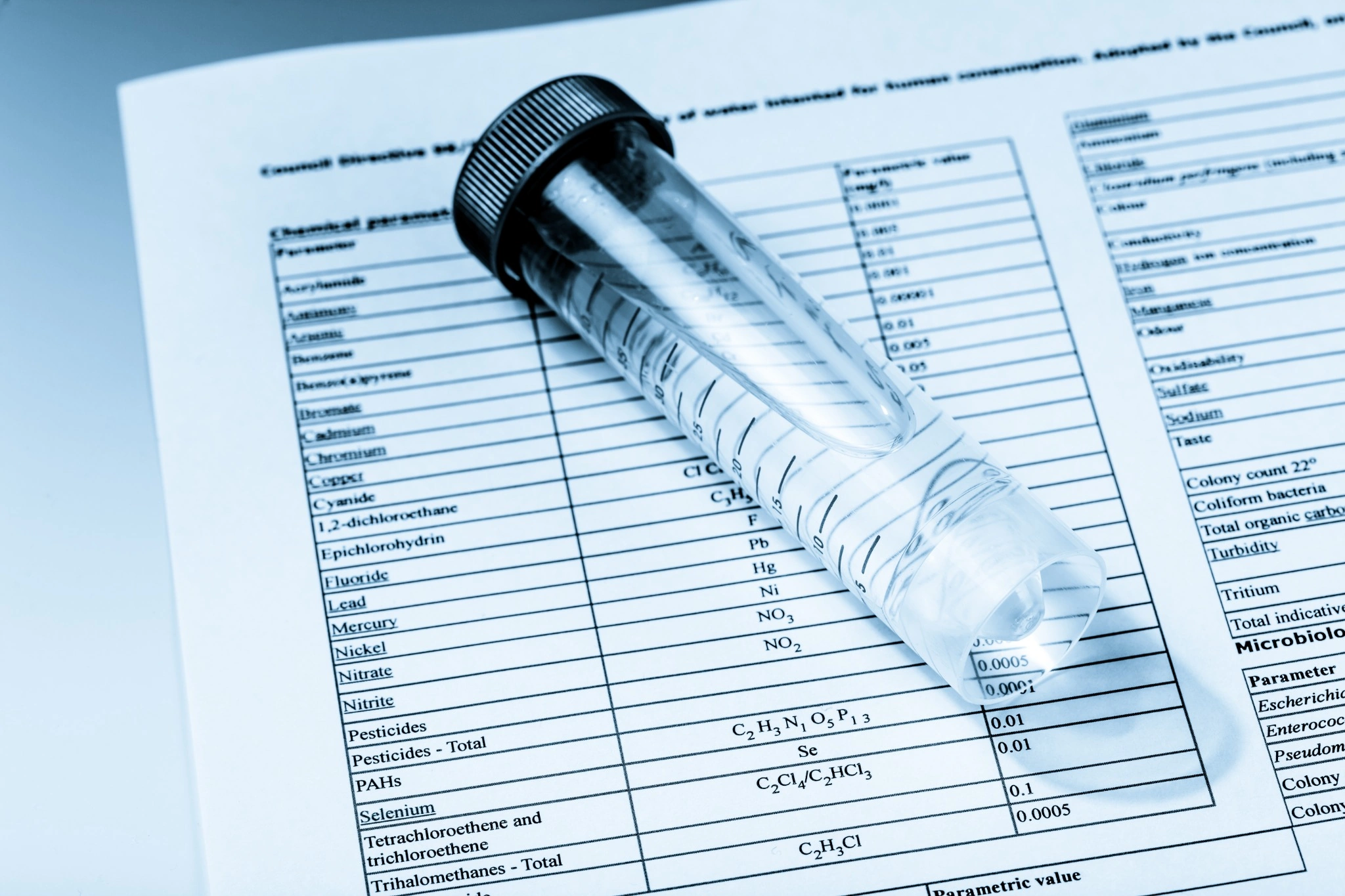
TL;DR: Many homeowners consider installing water filtration systems without first testing their water. In reality, water testing should almost always come first. Testing identifies the specific contaminants present so filtration systems can be properly designed, preventing unnecessary treatment and ensuring the system addresses the actual water quality issues.
If you’re trying to understand water testing vs water filtration, the most important thing to know is that testing almost always comes first. Water testing identifies the actual contaminants present in your water supply, while filtration systems are designed to address those specific conditions.
Skipping testing and installing filtration without understanding your water chemistry can lead to unnecessary systems, missed contaminants, or treatment that doesn’t solve the underlying problem.
Why Water Testing Should Usually Come First
Water filtration systems are designed to treat specific contaminants. Without testing, there’s no reliable way to know what those contaminants are.
For example, some homes deal with mineral issues such as iron or hardness, while others may face contaminants like arsenic, nitrates, or bacteria. Each issue requires a different type of treatment approach.
Homeowners often begin with free water testing in New Hampshire to identify surface-level concerns before deciding whether additional laboratory testing is necessary.
Testing helps answer questions such as:
- Are contaminants present that affect drinking water safety?
- Are minerals causing taste, odor, or staining issues?
- Does the water chemistry require treatment to protect plumbing?
- Are regional groundwater contaminants a concern?
Once these questions are answered, filtration systems can be designed appropriately.
What Water Testing Actually Reveals
Water testing helps identify the specific characteristics of your home’s water supply. These tests measure minerals, metals, bacteria, and other contaminants that may not be visible to the naked eye.
Common contaminants detected through testing include:
- Arsenic
- Iron and manganese
- Nitrates and nitrites
- Bacteria and microorganisms
- pH and corrosive water conditions
For example, natural contaminants such as arsenic in New Hampshire water occur in certain geological regions and cannot be detected without proper testing.
Similarly, mineral-related issues such as iron in New Hampshire water can cause staining, metallic taste, and plumbing problems if left untreated.
Understanding these conditions helps determine whether filtration is necessary and what type of system will work best.
What Happens When Filtration Is Installed Without Testing
Installing a filtration system without first understanding your water chemistry can lead to several common problems.
- Systems that treat contaminants that are not present
- Important contaminants left untreated
- Oversized or unnecessary filtration equipment
- Shortened system lifespan due to improper design
For example, installing filtration for taste and odor issues may not address contaminants such as nitrates or bacteria that require different treatment methods.
Regional groundwater conditions explained on the New Hampshire water issues page show why water chemistry varies significantly across the state. Testing ensures treatment decisions are based on real conditions rather than assumptions.
When Filtration May Already Be Needed
In some situations, homeowners already know their water contains specific contaminants based on previous testing or regional data.
For example, homes located in areas with elevated arsenic levels may install treatment after confirming results through arsenic water testing for New Hampshire residents.
Similarly, households dealing with visible water problems such as bad tasting water in New Hampshire or staining often explore treatment options once the underlying cause is confirmed.
In these cases, testing still plays an important role by confirming the severity of the issue and helping determine the correct filtration approach.
How Testing and Filtration Work Together
Rather than thinking about water testing and filtration as competing steps, it helps to think of them as parts of the same process.
A typical water quality decision process looks like this:
- Test the water to identify contaminants
- Interpret the results and identify potential risks
- Select a treatment method that addresses those conditions
- Install and maintain filtration equipment as needed
Once water chemistry is understood, homeowners can explore appropriate solutions such as water filtration systems designed to address specific contaminants.
This approach ensures that treatment systems are effective, efficient, and properly matched to the water supply.
Why This Order Matters for Long-Term Water Quality
Testing first helps homeowners avoid unnecessary expenses and ensures that treatment solutions actually solve the problem.
Without testing, filtration systems may treat the wrong issues or fail to address contaminants that affect health, plumbing, or water taste.
Routine testing is especially important for homes relying on private wells. Because these systems are not automatically monitored, homeowners should periodically consider well water testing in New Hampshire to track changes in water quality over time.
Testing creates the foundation for effective treatment decisions.
Final Thoughts: Testing First Leads to Better Water Solutions
When deciding between water testing vs water filtration, the correct order is usually clear: testing first, filtration second.
Testing identifies what is actually present in the water supply, while filtration systems are designed to treat those specific conditions.
By starting with testing, homeowners can avoid unnecessary systems, prevent missed contaminants, and install treatment solutions that truly improve their water quality.
NH Tap helps homeowners across New Hampshire understand their water conditions, interpret testing results, and choose filtration systems designed for their specific water chemistry.
Return to Articles