Is New Hampshire Well Water Safe to Drink?
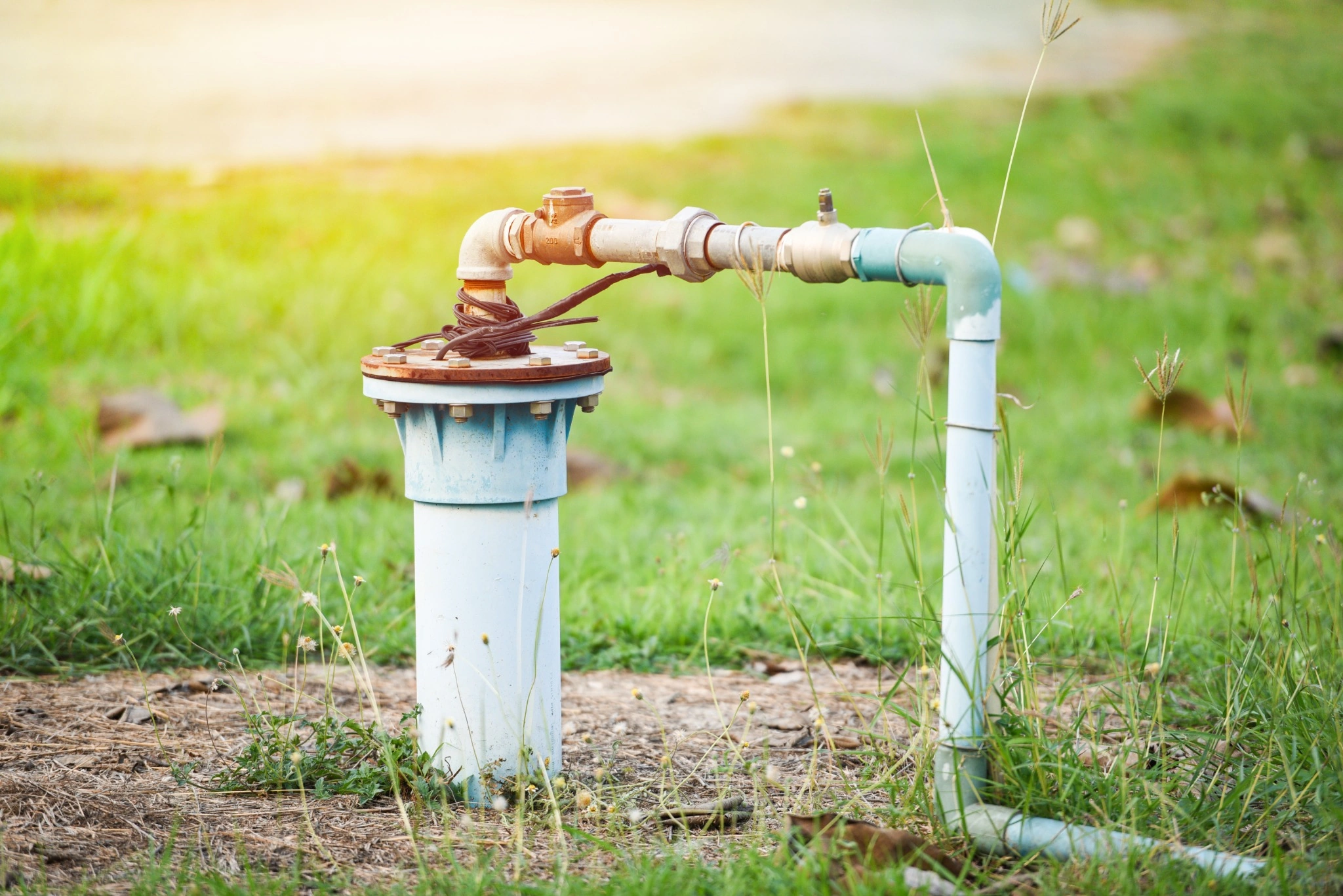
TL;DR: Many New Hampshire homes rely on private wells for drinking water. While well water can be safe, it is not automatically monitored like municipal water. Natural contaminants such as arsenic, iron, bacteria, and nitrates can occur in groundwater across the state, which is why routine testing and proper treatment are important for maintaining safe drinking water.
If you’re asking is New Hampshire well water safe to drink, you’re not alone. Thousands of homes across the state rely on private wells instead of municipal water systems. While well water can be clean and reliable, it isn’t automatically monitored or treated the way public water supplies are.
That means homeowners are responsible for understanding their water quality. Regular testing, awareness of regional contamination risks, and proper filtration when necessary help ensure that well water remains safe for drinking and everyday household use.
Why Many New Hampshire Homes Use Private Wells
Private wells are common across New Hampshire, especially in rural and suburban areas where municipal water infrastructure is limited.
Unlike public water systems, private wells draw water directly from groundwater sources beneath a property. While this water is often naturally filtered through layers of soil and rock, it can still contain minerals, metals, and contaminants depending on local geology and environmental conditions.
Many of the factors affecting groundwater are explained on the New Hampshire water issues page, which outlines how natural minerals, land use, and environmental changes influence water quality across the state.
Private well water can absolutely be safe to drink, but because there is no routine monitoring, homeowners must take an active role in maintaining water quality.
Common Well Water Contaminants in New Hampshire
Groundwater conditions vary widely across New Hampshire. Some wells produce naturally clean water, while others may contain minerals or contaminants that require treatment.
Common well water contaminants in the state include:
- Arsenic from natural bedrock
- Iron and manganese that cause staining and metallic taste
- Bacteria from surface runoff or septic systems
- Nitrates and nitrites from fertilizer or septic influence
- Naturally corrosive groundwater that affects plumbing
Arsenic is one of the most widely discussed contaminants in the region. The New Hampshire arsenic map highlights how arsenic levels can vary by location depending on underlying rock formations.
Iron is another common issue. Many homeowners notice rust-colored staining or metallic taste due to naturally occurring iron in New Hampshire water.
Even when water appears clear, contaminants may still be present. That’s why testing is recommended rather than relying on appearance alone.
Why Private Well Water Is Not Automatically Monitored
Municipal water systems must follow federal and state testing regulations. Water from these systems is tested regularly and treated before reaching homes.
Private wells operate differently.
Because wells serve individual properties rather than entire communities, they are not monitored by government agencies. This means homeowners are responsible for ensuring the safety of their own drinking water.
Routine testing helps identify contaminants that cannot be seen, tasted, or smelled.
Many homeowners begin with free water testing in New Hampshire to gain an initial understanding of their water quality before deciding whether additional laboratory testing may be necessary.
When Well Water Testing Is Recommended
Testing well water periodically helps identify problems early and prevents long-term issues for both health and plumbing systems.
Situations where testing is strongly recommended include:
- When purchasing or selling a home
- If water taste, smell, or color changes
- After flooding or heavy rainfall
- If your home relies on an older well system
- If nearby construction or land development occurs
Homeowners relying on private wells should consider routine well water testing in New Hampshire because there is no automatic monitoring system protecting the water supply.
Testing can identify contaminants such as bacteria, arsenic, and nitrates that may not otherwise be detected until problems arise. In some cases, targeted testing such as nitrates and nitrites water testing in New Hampshire or arsenic water testing for New Hampshire residents may be recommended depending on regional conditions.
Signs Your Well Water May Need Treatment
Even when well water is technically safe, it may still create noticeable issues inside the home.
Common signs that water treatment may be needed include:
- Rust-colored stains on sinks or fixtures
- Metallic or unpleasant taste
- Cloudy or discolored water
- Unusual sulfur or musty odors
- Mineral buildup on appliances
For example, homeowners experiencing bad tasting water in New Hampshire may be dealing with mineral content, iron, or other water chemistry changes.
Cloudy or sediment-filled water may indicate issues explained on the water clarity problems in New Hampshire page.
These symptoms don’t always mean water is unsafe, but they often indicate that testing or treatment should be considered.
When Water Filtration or Treatment Is Recommended
Once water testing identifies contaminants or water chemistry issues, treatment options may be considered to improve safety and overall water quality.
Solutions vary depending on the specific conditions of each home’s water supply. Common approaches include:
- Sediment filtration
- Carbon filtration systems
- UV disinfection for bacteria
- Reverse osmosis drinking water systems
- Water softening systems
Many homeowners install water filtration systems designed specifically for their water conditions. Treatment should always be based on verified test results rather than guesswork.
Final Thoughts: Well Water Can Be Safe With the Right Approach
Private wells provide drinking water for thousands of homes across New Hampshire, and in many cases that water is clean and reliable.
However, because private wells are not automatically monitored, homeowners must take responsibility for understanding and maintaining their water quality.
Regular testing, awareness of local contamination risks, and appropriate filtration systems when needed help ensure that well water remains safe to drink.
If you want help understanding your water quality, scheduling testing, or exploring treatment options, you can contact NH Tap or request a consultation through the water filtration system quote page.
Return to Articles