Why Contaminant Levels Spike After Snowmelt (And What to Test For)
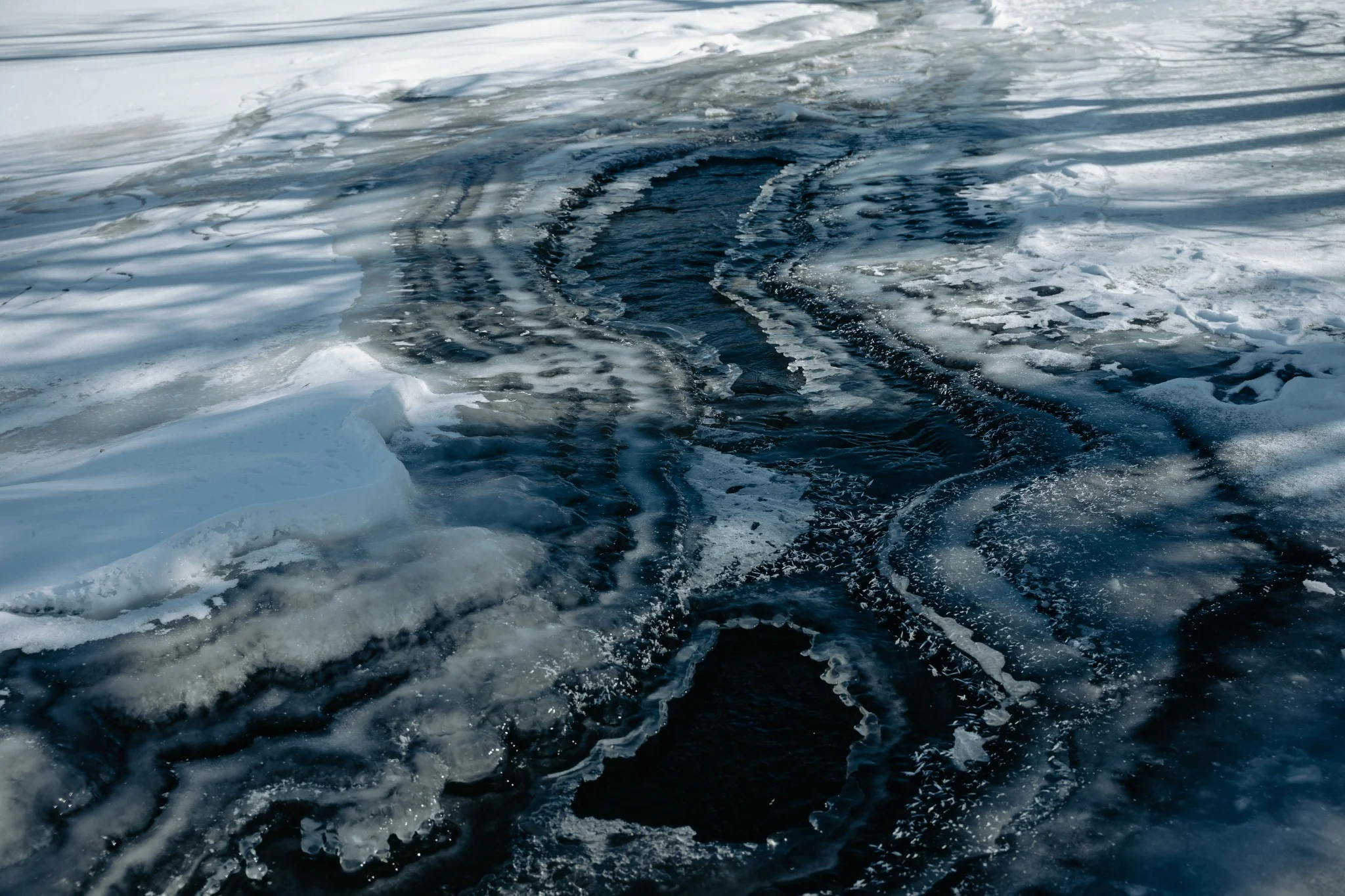
TL;DR: Snowmelt season can temporarily increase contaminant levels in New Hampshire well water by accelerating groundwater movement, surface runoff, sediment transport, and septic system stress. Common spring concerns include bacteria, nitrates, chloride, sediment, and changing water chemistry. Spring water testing helps homeowners identify contamination risks before they become larger problems.
Many homeowners notice water quality changes during spring but do not always understand why they happen. In New Hampshire, contaminant levels often spike after snowmelt because groundwater conditions shift rapidly as frozen ground thaws and runoff moves through the environment.
As melting snow travels across roads, yards, septic systems, and soil, contaminants can move more easily into groundwater supplies that feed private wells.
These seasonal changes are especially important for homeowners relying on private wells because well water responds directly to environmental conditions rather than municipal treatment systems.
Understanding why contaminant levels spike after snowmelt helps homeowners know what to watch for and what to test for during spring months.
Why Snowmelt Changes Well Water Chemistry
During winter, frozen ground limits groundwater movement and slows how quickly contaminants travel underground.
When spring thaw begins:
• Snow rapidly melts
• Soil becomes saturated
• Groundwater levels rise
• Surface runoff increases
• Underground water movement accelerates
As this happens, contaminants that accumulated during winter may begin moving through soil and groundwater systems much more quickly.
Many homeowners notice these changes as part of broader seasonal water quality concerns.
How Spring Runoff Carries Contaminants Into Groundwater
Snowmelt runoff can collect contaminants from many sources before entering the ground.
Road Salt and Chloride Runoff
Road salt is one of the most common seasonal contamination concerns in New Hampshire.
As snow melts:
• Salt dissolves into runoff water
• Chloride moves through soil and groundwater
• Sodium levels may temporarily increase
• Corrosive water conditions may worsen
Over time, repeated spring runoff can contribute to long-term groundwater quality changes.
Many homeowners are surprised by the impact of road salt and chloride contamination in New Hampshire drinking water.
Septic System Runoff
Spring thaw can also stress septic systems.
When soil becomes oversaturated:
• Septic drainage slows down
• Wastewater movement changes
• Surface water intrusion increases
• Bacteria may move more easily through soil
This raises the risk of:
• Coliform bacteria contamination
• E. coli contamination
• Elevated nitrate levels
Homes with shallow wells or older septic systems may face higher contamination risk during snowmelt season.
Surface Sediment and Organic Material
Rapid runoff can also carry:
• Sediment
• Organic debris
• Fertilizer residue
• Surface contaminants
These materials may temporarily affect:
• Water clarity
• Taste and odor
• Filtration system performance
• Plumbing fixtures
Some homeowners first notice these changes through cloudy or discolored water.
Common Contaminants That Spike After Snowmelt
Several water quality issues become more common during spring thaw.
Bacteria
Bacteria risks often increase after snowmelt because runoff and saturated soil make it easier for surface contaminants to enter groundwater supplies.
This is one reason many homeowners schedule water bacteria testing in New Hampshire during spring.
Nitrates and Nitrites
Nitrates may increase due to:
• Septic runoff
• Agricultural runoff
• Groundwater movement changes
Elevated nitrate levels are especially concerning for households with infants or vulnerable individuals.
Homeowners can learn more about nitrates and nitrites in New Hampshire water.
Sediment
Increased groundwater movement can temporarily raise sediment levels inside wells.
Sediment may:
• Reduce water clarity
• Clog filters
• Increase maintenance needs
• Affect appliance performance
Chloride and Sodium
Road salt runoff may increase:
• Chloride concentrations
• Sodium levels
• Corrosive groundwater conditions
These chemistry changes may affect plumbing systems and treatment equipment performance.
Why Spring Is One of the Most Important Times for Water Testing
Because groundwater conditions shift so rapidly during thaw season, spring is one of the best times of year for testing well water.
Testing after snowmelt helps identify:
• Seasonal contamination spikes
• Bacteria risks
• Groundwater chemistry changes
• Sediment increases
• Filtration system stress
Some contamination problems may only appear temporarily during periods of increased groundwater movement.
This is why many homeowners schedule well water testing in New Hampshire after major snowmelt periods.
What Homeowners Should Test For After Snowmelt
The right testing panel depends on the property, water source, and surrounding environmental conditions.
Common spring testing priorities include:
• Coliform bacteria
• E. coli
• Nitrates and nitrites
• Chloride
• Sodium
• Sediment indicators
• General water chemistry changes
Homes with known contamination concerns may also require:
• PFAS testing
• Arsenic testing
• Iron testing
• Additional contaminant screening
Many homeowners begin with free water testing in New Hampshire before determining whether additional testing is needed.
Signs Snowmelt May Be Affecting Your Well Water
Homeowners often notice subtle changes before major contamination problems appear.
Common warning signs include:
• Cloudy or discolored water
• New odors or taste changes
• Increased staining
• Sediment buildup
• Reduced water pressure
• More frequent filtration maintenance
These symptoms do not always indicate dangerous contamination, but they may signal changing groundwater conditions that should be evaluated.
Homes already experiencing well water contamination issues in New Hampshire may notice stronger seasonal effects during thaw periods.
Final Thoughts: Snowmelt Changes More Than the Weather
Why contaminant levels spike after snowmelt comes down to groundwater movement, surface runoff, saturated soil, and changing underground water chemistry. As spring thaw accelerates across New Hampshire, contaminants often move more easily into private well systems.
Because many of these changes happen gradually underground, homeowners may not recognize the warning signs until water quality problems become more obvious.
NH Tap helps New Hampshire homeowners evaluate spring well water concerns, perform seasonal water testing, and design filtration systems that respond to changing groundwater conditions throughout the year.
Return to Articles