Why Some Water Filters Fail to Remove Sulfur Smells
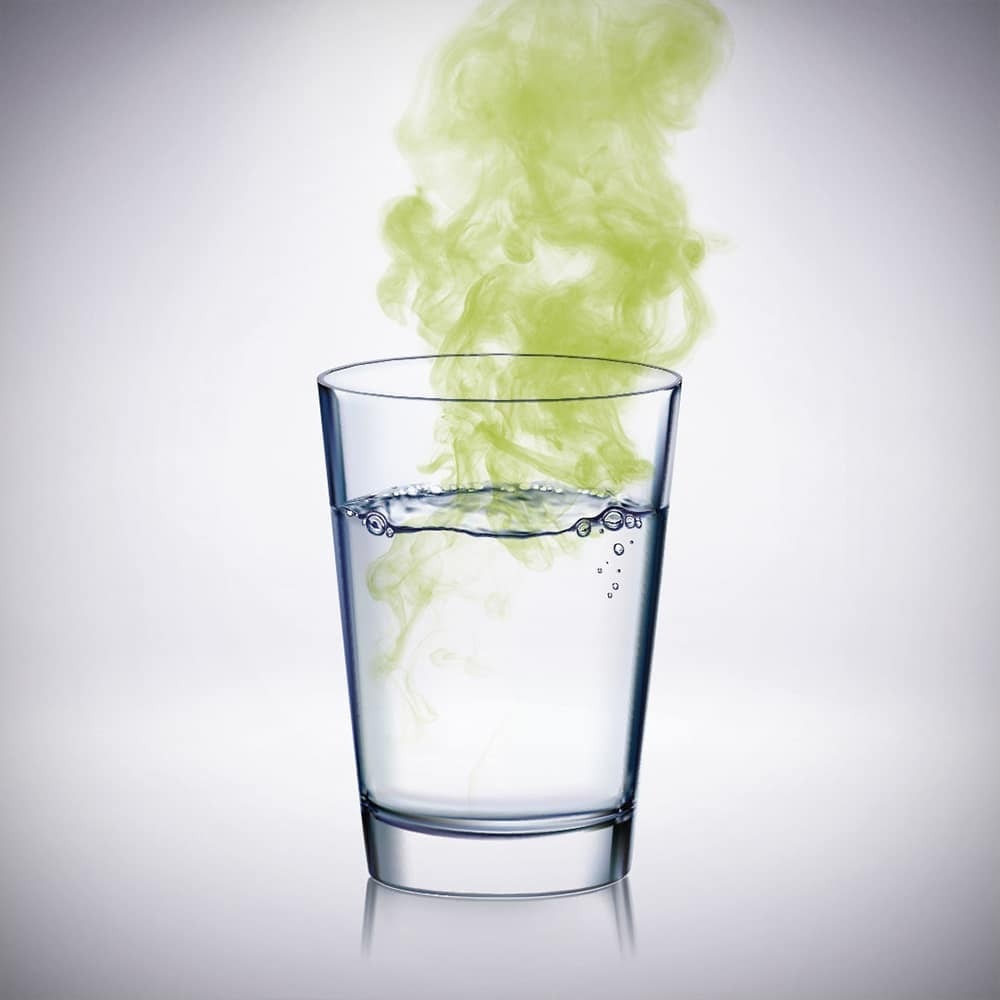
TL;DR: Some water filters fail to remove sulfur smells because the system is not designed for hydrogen sulfide gas, sulfur bacteria, or the specific water chemistry involved. In many New Hampshire homes, sulfur odors require specialized treatment methods rather than basic filtration alone. Proper water testing is critical before selecting equipment.
One of the most frustrating problems homeowners face is installing a water filter only to discover the rotten egg smell is still there afterward.
If you’re dealing with sulfur odors in your water, you are not alone. Sulfur smells are a common well water issue throughout New Hampshire, especially in homes using private wells with naturally occurring groundwater minerals or bacteria.
The challenge is that not all sulfur smells come from the same source. Because of this, some filtration systems work well while others fail almost immediately.
Understanding why some water filters fail to remove sulfur smells starts with understanding what is actually causing the odor in the first place.
What Causes Sulfur Smells in Well Water?
The classic “rotten egg” smell usually comes from hydrogen sulfide gas or sulfur-related bacteria inside the water system.
These odors may develop because of:
• Naturally occurring sulfur compounds underground
• Sulfur bacteria in wells or plumbing
• Water heater reactions
• Groundwater chemistry changes
• Decaying organic material
Homes dealing with water odor issues in New Hampshire often experience sulfur smells that vary seasonally or become stronger after heavy rain or snowmelt.
Why Basic Water Filters Often Fail
Many homeowners install generic carbon filters or standard sediment filters expecting them to eliminate sulfur odors completely.
Unfortunately, many basic systems are not designed to handle:
• Hydrogen sulfide gas
• Sulfur bacteria
• High sulfur concentrations
• Complex groundwater chemistry
As a result, the smell may:
• Return quickly
• Improve temporarily
• Become worse over time
• Continue in hot water only
• Persist throughout the entire home
This is especially common when the wrong filtration media is selected before proper testing.
Different Sulfur Problems Require Different Solutions
One of the biggest reasons sulfur filtration fails is because homeowners assume all sulfur smells come from the same source.
Hydrogen Sulfide Gas
Hydrogen sulfide gas is one of the most common causes of rotten egg odors in well water.
This gas may:
• Dissolve directly into groundwater
• Become stronger in warm water
• Produce strong odors even at low concentrations
Treating hydrogen sulfide often requires:
• Oxidation systems
• Specialized filtration media
• Aeration systems
• Multi-stage filtration
Standard sediment filters alone usually cannot remove dissolved gas effectively.
Sulfur Bacteria
Sulfur bacteria create slime, odor, and buildup inside plumbing systems or wells.
These bacteria may:
• Produce recurring odors
• Create biofilm buildup
• Reduce filtration efficiency
• Cause maintenance issues
In these situations, filtration alone may not fully solve the problem without disinfecting or treating the source of the bacteria.
Water Heater-Related Sulfur Odors
Sometimes the smell only appears in hot water.
This may happen when:
• Water heater components react with sulfur compounds
• Bacteria grow inside the water heater
• Magnesium anode rods contribute to odor production
In these cases, replacing filters alone may not solve the issue because the odor source is partially inside the plumbing system itself.
How Water Chemistry Affects Sulfur Filtration
Sulfur odors rarely exist alone.
Homes with sulfur smells often also experience:
• Iron and manganese
• Sediment
• Hard water
• Corrosive groundwater
• Bacteria contamination
These overlapping conditions can interfere with filtration performance.
For example:
• Iron may clog sulfur filtration media
• Sediment may reduce system efficiency
• Hard water may shorten equipment lifespan
• Bacteria may foul filtration systems
This is one reason many homes dealing with multiple contaminants in well water require layered treatment solutions.
Why Proper Water Testing Matters First
The most common mistake homeowners make is installing filtration equipment before identifying the actual cause of the odor.
Professional water testing helps determine:
• Whether sulfur gas is present
• Whether bacteria are involved
• Iron and manganese levels
• Water pH and chemistry
• Sediment concentration
• Additional contamination concerns
Without testing, homeowners often purchase systems that are incompatible with the water conditions in the home.
Many homeowners begin with well water testing in New Hampshire before comparing treatment options.
Why Some Filters Work Temporarily Then Stop
Some sulfur filters appear to work initially but fail after a short period.
This often happens because:
• Filtration media becomes exhausted
• Pretreatment is missing
• Maintenance is neglected
• Iron or sediment overloads the system
• Sulfur levels fluctuate seasonally
Seasonal groundwater changes can also temporarily increase sulfur-related odors during spring thaw or heavy rainfall periods.
Many homeowners notice these patterns during broader seasonal water quality changes.
Common Signs Your Sulfur Treatment System Isn’t Working Properly
Homeowners may notice several warning signs when sulfur treatment is failing.
Common symptoms include:
• Rotten egg smell returning quickly
• Odors stronger in hot water
• Slimy buildup around fixtures
• Increased staining
• Reduced water pressure
• Frequent maintenance problems
These symptoms often indicate that either:
• The wrong system was installed
• Additional treatment stages are needed
• The system is overdue for maintenance
When Multi-Stage Filtration Makes More Sense
Because sulfur odors often occur alongside other water quality issues, many homes require layered treatment systems.
This may include:
• Sediment filtration
• Iron filtration
• Oxidation systems
• Carbon filtration
• UV disinfection
Many homeowners dealing with persistent odors benefit from professionally designed water filtration systems rather than relying on single-stage filters alone.
Final Thoughts: Sulfur Odors Require the Right Type of Treatment
Why some water filters fail to remove sulfur smells usually comes down to one issue: the system was not designed for the actual water chemistry involved.
Sulfur odors may come from hydrogen sulfide gas, sulfur bacteria, plumbing conditions, or several overlapping water quality problems happening at once. Without testing and proper system design, many filters only provide temporary improvement instead of long-term odor removal.
NH Tap helps New Hampshire homeowners identify the source of sulfur odors, evaluate overall water chemistry, and design treatment systems that address both the smell itself and the underlying cause.
Return to Articles