What Happens Underground During Spring Thaw? (Well Water Explained)
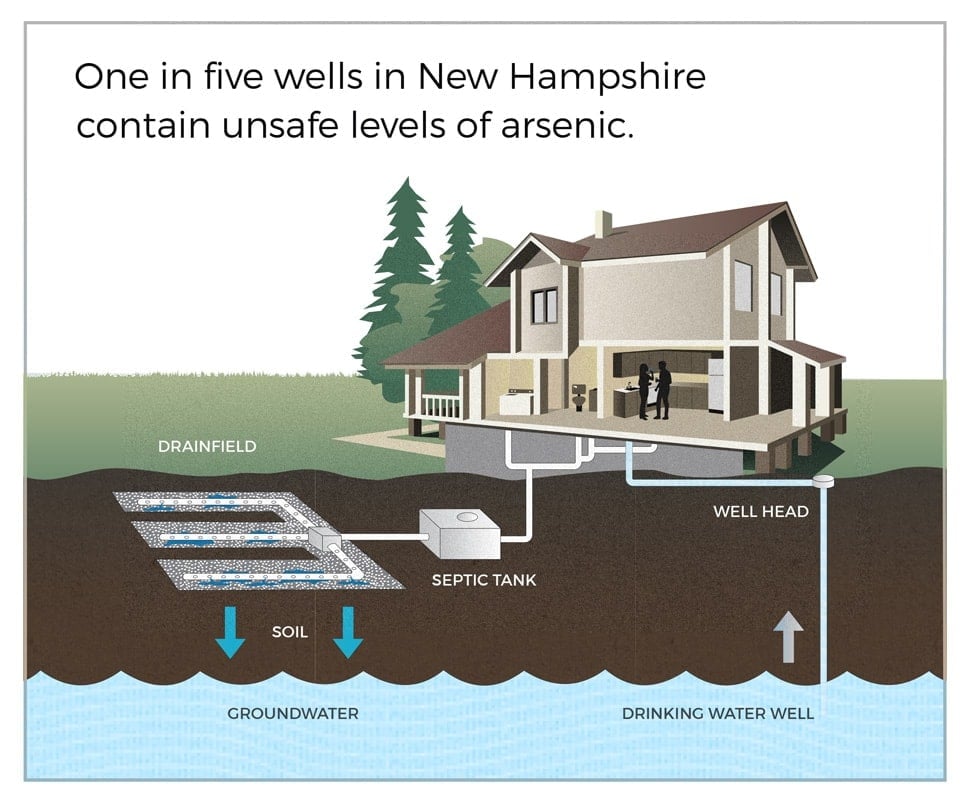
TL;DR: During spring thaw in New Hampshire, melting snow rapidly changes groundwater movement, soil saturation, runoff patterns, and underground water chemistry. These changes can temporarily affect private well water quality by increasing sediment, bacteria, nitrates, road salt, and other contaminants entering groundwater systems.
Does Spring Thaw Impact Well Water?
Most homeowners see spring thaw happening above ground — melting snow, muddy yards, and swollen streams. What many people do not realize is that major changes are also happening underground. As snow melts across New Hampshire, groundwater systems begin shifting rapidly. Soil absorbs large amounts of water, underground water tables rise, and contaminants move differently through the ground than they do during colder winter months.
For homeowners using private wells, these underground changes can directly affect water quality, filtration performance, and seasonal contamination risks. Understanding what happens underground during spring thaw helps explain why many well water problems appear during late winter and early spring.
How Spring Thaw Changes Groundwater Movement
During winter, frozen ground limits how quickly water moves through soil.
When spring temperatures rise:
• Snow begins melting rapidly
• Frozen soil starts thawing
• Groundwater recharge increases
• Surface runoff enters the ground
• Underground water pressure changes
As this happens, groundwater begins moving more aggressively through soil, gravel, fractures, and bedrock. This increased movement affects both groundwater quantity and groundwater chemistry. Many homeowners notice these seasonal changes as part of broader seasonal water quality concerns.
Why Rising Groundwater Affects Well Water
Private wells pull water directly from underground aquifers and groundwater systems.
As groundwater levels rise during snowmelt:
• More surface water infiltrates the ground
• Contaminants may move faster underground
• Sediment becomes more mobile
• Water clarity may temporarily change
• Bacteria risks may increase
Shallow wells are often more vulnerable because they are closer to surface-level groundwater movement. These underground changes are one reason many homeowners experience temporary well water contamination issues in New Hampshire during spring months.
How Snowmelt Carries Contaminants Underground
Melting snow does not enter the ground as pure water. As runoff moves across roads, yards, septic areas, and soil surfaces, it may collect contaminants before reaching groundwater supplies.
Road Salt and Chloride Movement
One major spring concern is road salt runoff.
As snow melts:
• Salt dissolves into runoff water
• Chloride moves through soil
• Groundwater chemistry changes
• Corrosive conditions may increase
Over time, repeated exposure to road salt can affect both well water chemistry and plumbing systems. Many homeowners are surprised by how strongly road salt and chloride contamination in New Hampshire drinking water can influence groundwater quality.
Bacteria and Septic Runoff
Spring thaw also affects septic systems.
When ground becomes saturated:
• Septic drainage efficiency may decrease
• Surface water intrusion may increase
•Bacteria movement through soil becomes easier
This increases the likelihood of:
• Coliform bacteria contamination
• E. coli contamination
• Well water odor issues
Homes with older septic systems or shallow wells often face elevated seasonal risk.
Sediment and Organic Material
Increased groundwater flow can also carry:
• Fine sediment
• Organic material
• Decaying vegetation
• Surface debris
This may temporarily affect:
• Water clarity
• Taste and odor
• Filtration performance
• Sediment buildup in plumbing systems
Some homeowners notice these changes as cloudy water or discoloration during rapid thaw periods.
Why Water Chemistry Changes During Spring Thaw
Spring groundwater movement changes more than just contamination levels. It can also temporarily alter water chemistry itself.
Possible seasonal changes include:
• Shifts in pH
• Increased dissolved solids
• Elevated nitrates
• Higher mineral concentrations
• Increased iron or manganese movement
These chemistry changes may affect:
• Water taste
• Filtration system performance
• Plumbing corrosion
• Appliance efficiency
Homes already dealing with corrosive groundwater in New Hampshire water may notice more pronounced seasonal effects.
Why Spring Is an Important Time for Well Water Testing
Because groundwater conditions shift rapidly during snowmelt, spring is one of the best times of year for water testing.
Testing after thaw can help identify:
• Bacteria contamination
• Nitrate changes
• Chloride increases
• Sediment problems
• Seasonal chemistry shifts
Some water quality issues only become noticeable during periods of increased groundwater movement. Scheduling well water testing in New Hampshire after spring thaw helps homeowners identify seasonal problems before they become larger long-term issues.
How Spring Thaw Affects Water Filtration Systems
Changing groundwater conditions can also place additional stress on water treatment equipment.
Spring conditions may:
• Increase sediment loading
• Reduce filter lifespan
• Cause more frequent maintenance needs
• Increase staining or odor issues
• Reduce treatment efficiency temporarily
Homes with existing filtration systems may require seasonal maintenance or inspections after heavy snowmelt periods. Many homeowners also benefit from understanding how multiple contaminants interact in well water during seasonal groundwater changes.
Signs Spring Thaw May Be Affecting Your Well Water
Homeowners often notice several warning signs during spring thaw.
Common symptoms include:
• Cloudy or discolored water
• New odors or taste changes
• Increased staining
• Reduced water pressure
• Sediment in water
• Filtration systems cycling more frequently
These symptoms do not always indicate permanent contamination problems, but they may signal changing groundwater conditions that should be evaluated.
Spring Thaw Changes More Than the Weather
What happens underground during spring thaw directly affects well water quality throughout New Hampshire. Rising groundwater, increased runoff, sediment movement, bacteria risks, and changing water chemistry all contribute to seasonal well water changes that many homeowners overlook.
Because these changes happen below the surface, the warning signs are often subtle at first. Monitoring well water conditions during spring helps homeowners protect water quality, maintain filtration systems, and reduce long-term contamination risks. NH Tap helps New Hampshire homeowners understand seasonal groundwater changes, evaluate spring well water concerns, and design treatment systems that adapt to changing water conditions throughout the year.
Return to Articles