Can You Combine Multiple Water Filtration Systems?
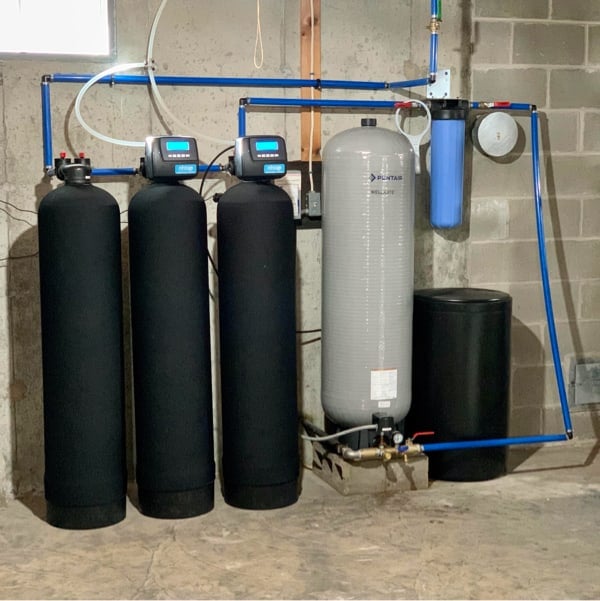
TL;DR: Yes, many New Hampshire homes benefit from combining multiple water filtration systems. Layered treatment systems are often necessary when water contains several contaminants or when homeowners want both whole-home protection and highly purified drinking water. The key is designing systems that work together instead of overlapping or interfering with each other.
Are Water Filtration Systems Compatible With Each Other?
Many homeowners assume a single water filtration system should solve every water quality problem in the home. In reality, well water and even some municipal water supplies often require multiple treatment methods working together. This is especially common in New Hampshire, where homeowners may deal with iron, sediment, hard water, PFAS, bacteria, staining, odor, or corrosive groundwater at the same time.
If you’re asking whether you can combine multiple water filtration systems, the answer is absolutely yes — and in many situations, it’s the most effective long-term approach.
Why One Filtration System Often Isn’t Enough
Different filtration technologies are designed to target different water problems.
For example:
• Carbon filters help reduce chlorine, odor, and certain contaminants
• Reverse osmosis systems remove dissolved contaminants from drinking water
• UV systems disinfect bacteria and microorganisms
• Water softeners reduce hardness minerals
• Sediment filters protect plumbing and equipment
Because no single system treats every issue effectively, layered treatment is often necessary for homes with multiple water quality concerns. This is particularly common in homes using well water filtration systems.
Common Water Filtration System Combinations
Many professionally designed water treatment systems involve several stages working together.
Whole House Filtration + Reverse Osmosis
One of the most common combinations includes:
• A whole house filtration system for overall water quality
• A reverse osmosis system for purified drinking water
This setup allows homeowners to improve water quality throughout the home while also providing highly purified water at the kitchen sink. Many homeowners compare these systems directly when researching reverse osmosis vs whole house filtration.
Sediment Filtration + Carbon Filtration
Sediment filters are often installed before carbon systems.
This helps:
• Protect carbon media from clogging
• Extend filter lifespan
• Improve filtration efficiency
• Reduce maintenance frequency
Pretreatment is especially important in homes with heavy sediment or iron levels.
Water Softener + Filtration System
Hard water frequently exists alongside other contamination concerns.
Many homes combine:
• Water softeners for hardness reduction
• Filtration systems for taste, odor, sediment, or contaminants
This combination protects both plumbing and water quality throughout the home. Learn more about how water softeners and how they work alongside filtration systems.
UV System + Filtration System
UV systems disinfect bacteria and microorganisms but do not remove sediment or contaminants. Because UV treatment depends on clear water, filtration is often installed before UV systems to improve effectiveness. Homes dealing with bacterial contamination may also benefit from whole-home UV water purifier systems.
Why Filtration Order Matters
Combining systems successfully is not just about adding more equipment. The order of treatment stages matters significantly.
For example:
• Sediment filtration often comes first
• Water softening may occur before reverse osmosis
• UV treatment usually comes after filtration
• Carbon systems may protect downstream equipment
Improper system order can:
• Reduce filtration efficiency
• Increase maintenance costs
• Shorten equipment lifespan
• Cause unnecessary pressure loss
This is why professionally designed multi-stage systems often perform much better than piecing together random filters without understanding the full water chemistry.
How Multiple Contaminants Influence System Design
Many New Hampshire homes experience overlapping water quality concerns.
For example:
• Iron and sediment may clog carbon systems
• Hard water may reduce membrane lifespan
• Bacteria may require UV treatment in addition to filtration
• PFAS systems may need pretreatment for best performance
These overlapping conditions are part of why multiple contaminants in well water often require layered treatment strategies. The goal is creating systems that complement each other instead of competing against each other.
Benefits of Combining Multiple Water Filtration Systems
Layered treatment systems offer several advantages.
Better Overall Water Quality
Different systems target different contaminants, creating broader protection throughout the home.
Longer Equipment Lifespan
Pretreatment stages help protect downstream equipment from sediment, scale, or contamination buildup.
Improved Drinking Water and Whole-Home Water
Many homeowners want:
• Better shower and laundry water
• Protection for plumbing and appliances
• Highly purified drinking water
Multiple systems allow homeowners to achieve both goals simultaneously.
More Flexible Treatment Options
Layered systems can often be adjusted over time as water conditions change or treatment needs evolve.
Potential Downsides of Combining Systems
While combined systems are often beneficial, more equipment also means:
• Higher installation costs
• Additional maintenance requirements
• More filter replacements
• Greater design complexity
This is why homeowners should avoid adding unnecessary equipment without understanding the actual water problem first. Professional well water testing in New Hampshire helps determine which systems are truly necessary.
Signs Your Home May Need Multiple Water Treatment Systems
Homes often benefit from layered treatment when several issues appear together.
Common examples include:
• Staining plus bad odors
• Hard water plus sediment
• PFAS concerns plus iron contamination
• Bacteria concerns plus cloudy water
• Appliance damage plus poor-tasting water
When multiple symptoms exist simultaneously, a single filter often cannot solve every issue effectively.
Water Treatment Works Best as a System
Can you combine multiple water filtration systems? Absolutely, and many New Hampshire homeowners already do. Water quality problems rarely exist in isolation. Iron, sediment, hardness, bacteria, PFAS, and corrosive groundwater often overlap, making layered treatment systems the most practical long-term solution.
The key is building a system designed around the specific water chemistry in the home rather than adding unnecessary filters or overlapping equipment. NH Tap helps homeowners evaluate water quality conditions, understand treatment compatibility, and design multi-stage water filtration systems that work together efficiently for long-term water quality protection.
Return to Articles